How Dentists Can Increase Revenue with Cosmetic Dentistry Marketing
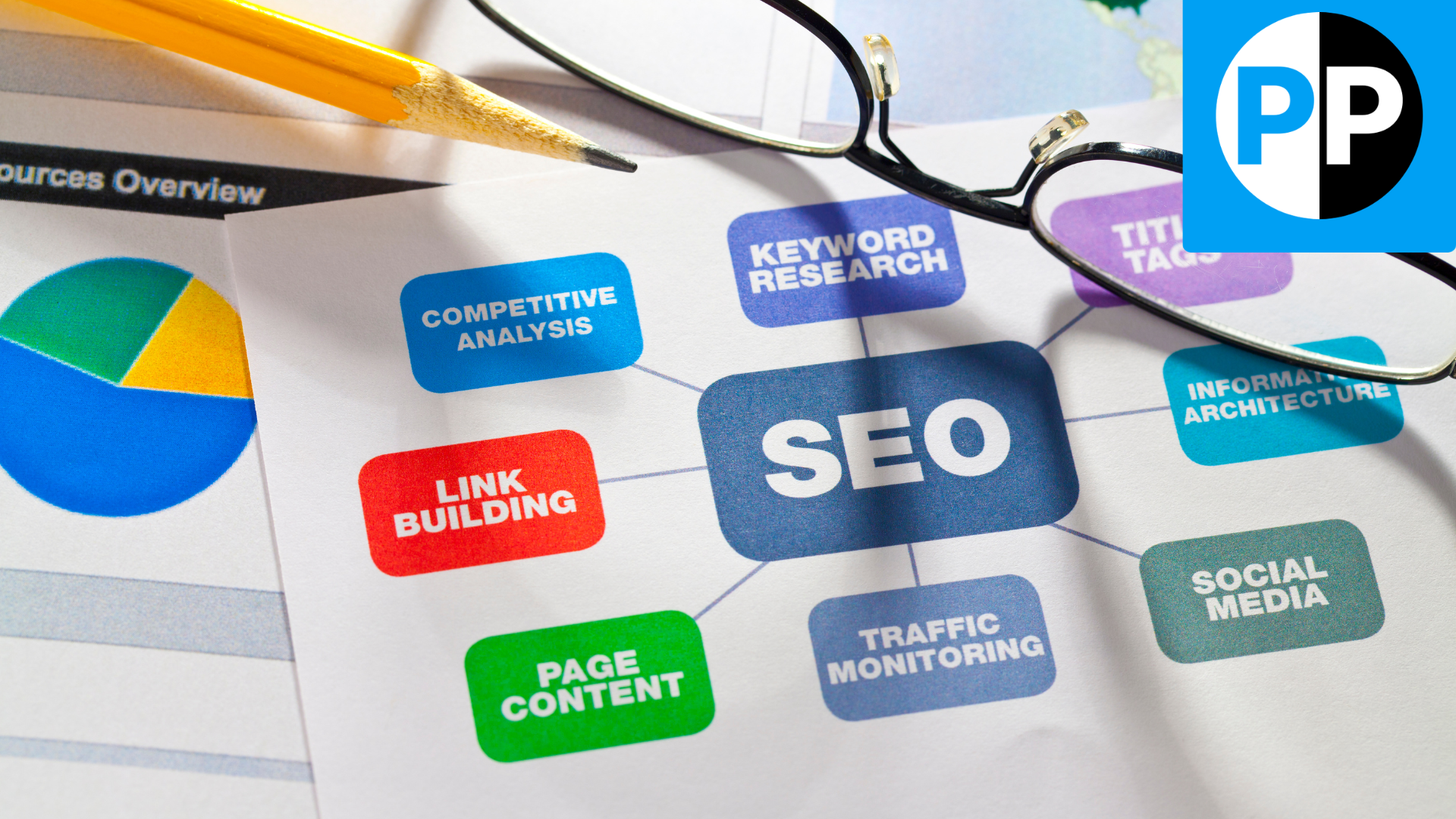
Cosmetic dentistry is no longer a niche service reserved for select patients. In competitive markets across the country, procedures like veneers, Invisalign, professional whitening, and full smile makeovers are driving some of the highest per-patient revenue in modern dental practices. The difference between practices that occasionally perform cosmetic cases and those that consistently book high-value treatments comes down to one factor: structured, intent-driven cosmetic dentistry marketing. Today’s cosmetic patients behave differently than general dentistry patients. They research extensively, compare providers, review before-and-after galleries, and evaluate online credibility before scheduling a consultation. They search phrases like “best cosmetic dentist near me” or “Invisalign provider in (city).” If your practice does not appear prominently during that research phase, another dentist will capture that opportunity. According to Google Search Central’s official SEO Starter Guide, websites that rank consistently in competitive search results demonstrate clear content relevance, strong site structure, and alignment with user intent. That means dentists who want to rank for terms related to cosmetic dentist marketing strategies or dental marketing for cosmetic services MUST build pages that are comprehensive, locally optimized, and conversion-focused.
At Patient Profit, we design marketing systems that align with these ranking principles while also strengthening Google Ads performance. Our approach integrates high-intent paid search campaigns, localized SEO architecture, optimized service pages, and structured conversion pathways. The goal is not just traffic. The goal is more booked cosmetic consultations and higher case acceptance rates. When cosmetic dentistry marketing is executed strategically, it becomes a revenue multiplier. Instead of relying solely on insurance-driven patient flow, your practice attracts motivated patients actively seeking aesthetic transformation. That shift in patient acquisition changes not only production numbers, but long-term profitability. If your practice is ready to build predictable cosmetic case volume, call Patient Profit at (805) 902-4630 to develop a strategy tailored to your market.
Why Cosmetic Dentistry Marketing Requires a Different Strategy Than General Dental Advertising
Cosmetic dentistry is one of the most profitable services a dental practice can offer, but it is also one of the most competitive to market. Patients searching for veneers, Invisalign, or smile makeovers are not looking for the same experience as someone booking a routine cleaning. They are making a discretionary decision based on aesthetics, confidence, and perceived expertise.
That difference is exactly why cosmetic dentistry marketing must be approached strategically. General dentistry advertising focuses on insurance acceptance and convenience. Cosmetic dentist marketing strategies must focus on transformation, authority, and high-value case positioning.
Cosmetic Patients Search with Much Higher Expectations
Patients interested in cosmetic procedures conduct far more research before scheduling a consultation. They compare multiple providers, read reviews, analyze before-and-after photos, and evaluate the credibility of the dentist performing the procedure.
Search intent reflects this behavior. Cosmetic patients type in highly specific queries such as:
- cosmetic dentist in [city]
- porcelain veneers specialist
- Invisalign provider near me
- smile makeover consultation
These search patterns signal both high intent and higher case value. Dental marketing for cosmetic services must align with those specific queries through optimized service pages and tightly structured Google Ads campaigns. Broad “dentist near me” campaigns do not convert at the same rate because they fail to match cosmetic-specific intent.
Procedure-Specific Landing Pages Increase Conversion Rates
One of the most overlooked cosmetic dentist marketing strategies is segmentation. Each major cosmetic service should have its own dedicated landing page.
A veneers page should discuss veneer materials, smile design process, financing options, and before-and-after imagery specific to veneers. An Invisalign page should focus exclusively on clear aligner treatment, candidacy, treatment timelines, and digital scanning technology.
When a user clicks an ad for Invisalign and lands on a generic dental homepage, conversion rates drop. When that same user lands on a focused Invisalign consultation page, conversion rates increase dramatically.
This alignment not only improves SEO rankings for cosmetic dentistry marketing terms but also strengthens Google Ads Quality Score by improving landing page relevance.
Before-and-After Galleries Build Immediate Authority
High-quality before-and-after galleries demonstrate real results and remove uncertainty. They allow potential patients to visualize their own transformation. Without this visual validation, many prospects will continue researching competitors.
A well-structured cosmetic gallery also increases dwell time on your website, which sends positive engagement signals to search engines. That improves organic visibility for competitive phrases related to how to market cosmetic dentistry effectively.
Financing Transparency Reduces Consultation Friction
Cosmetic procedures are elective and often involve out-of-pocket investment. If financing information is hidden or unclear, patients hesitate to book consultations.
Clear messaging about payment plans, third-party financing partnerships, and estimated ranges builds trust. It reduces anxiety around cost and increases conversion rates. Strong cosmetic dentistry marketing addresses financial considerations early rather than waiting for patients to ask. Cosmetic dentistry patients prefer providers close to home, especially for multi-visit treatments like Invisalign or veneers.
Optimizing your Google Business Profile, embedding location signals into service pages, and referencing neighborhoods or surrounding areas strengthens local SEO performance. It also increases visibility in Google Maps results, where many cosmetic consultations begin. When cosmetic dentist marketing strategies include local optimization alongside procedure-specific targeting, practices see consistent increases in qualified cosmetic inquiries.
Local Authority Signals Improve Visibility and Trust for Your Practice
Cosmetic dentistry patients prefer providers close to home, especially for multi-visit treatments like Invisalign or veneers. That means local visibility is not optional. Practices that want to increase revenue through dental marketing for cosmetic services must ensure they appear prominently in both organic search results and map-based searches. Local authority is built through proximity signals, service relevance, and trust indicators that help Google understand exactly what your practice offers and where it should rank.
Cosmetic dentistry is inherently location-driven because patients are not searching broadly for information. They are searching with immediate intent, often including city names, neighborhood references, or “near me” language that signals readiness to book a consultation. A patient looking for veneers is rarely willing to drive hours outside their area. They want a trusted cosmetic dentist nearby with visible proof of results, strong reviews, and an established presence in the local community. That is why local optimization is one of the most essential cosmetic dentist marketing strategies for practices that want predictable growth.
Strong local authority also improves performance across both SEO and paid advertising. Google rewards businesses that demonstrate clear geographic relevance, consistent business information, and a trustworthy digital footprint. When your cosmetic dentistry marketing strategy includes localized service pages, optimized map visibility, and consistent citations across the web, your practice becomes easier for Google to recommend. This not only increases organic rankings, but it also strengthens landing page experience and relevance for Google Ads campaigns, which directly impacts Quality Score and cost efficiency. In competitive metro markets, local authority is often the deciding factor between a practice that receives occasional cosmetic inquiries and one that consistently books high-value smile makeover cases. The practices that dominate cosmetic search results are not always the largest offices. They are the practices that communicate clearly to both patients and search engines that cosmetic services are a core focus, that consultations are available locally, and that real outcomes are being delivered in that specific community.
Optimizing Your Google Business Profile for Cosmetic Dentistry Searches
Your Google Business Profile is one of the most powerful assets in cosmetic dentistry marketing because it influences whether your practice appears in the local map pack when patients search for aesthetic treatments nearby.
Cosmetic patients are not simply searching for a dentist. They are searching for specific services like veneers, teeth whitening, or Invisalign. Optimizing your profile with accurate categories, updated service listings, high-quality photos, and consistent cosmetic procedure descriptions increases your visibility for those high-intent searches.
When your profile aligns with cosmetic-focused keywords, your practice becomes more discoverable to patients who are actively looking for smile transformation services in your area.
Embedding Geo-Specific Keywords Into Cosmetic Service Pages
One of the most effective cosmetic dentist marketing strategies is building location relevance directly into your website content.
Instead of relying on a generic cosmetic dentistry page, practices should create service-focused pages that naturally incorporate geographic intent. A veneers page should reference the city, surrounding neighborhoods, and local consultation availability. An Invisalign page should do the same.
This strategy improves rankings for searches like:
- cosmetic dentist in (city)
- veneers specialist near me
- Invisalign consultation (location)
When cosmetic dentistry marketing content includes geo-specific structure, Google gains stronger confidence in where your practice belongs in local results. That translates into higher visibility, stronger conversion rates, and more booked cosmetic consultations.
How Patient Profit Builds Scalable Cosmetic Dentistry Marketing Systems That Increase Your Revenue
At Patient Profit, we specialize in helping dental practices grow beyond inconsistent cosmetic case volume and build predictable, high-margin revenue through strategic cosmetic dentistry marketing. Cosmetic procedures like veneers, Invisalign, whitening, and full smile makeovers represent some of the most profitable opportunities in dentistry, but only when the right marketing infrastructure is in place to attract patients who are actively searching for aesthetic treatment. Most dental practices are not limited by clinical capability. They are limited by visibility, positioning, and conversion systems. Cosmetic patients do not choose a provider the same way general dentistry patients do. They research extensively, compare multiple practices, and look for clear proof of results before scheduling a consultation. That is why Patient Profit focuses on cosmetic dentist marketing strategies that align directly with patient intent, local demand, and Google’s ranking and ad relevance signals.
Our approach is built around scalable systems, not short-term tactics. We develop procedure-specific campaigns that target high-intent keywords, improve landing page experience, and strengthen local authority so your practice appears prominently when patients search for cosmetic services in your area. This structure not only improves organic rankings, but it also increases Google Quality Score, reducing cost per click while driving more qualified consultation requests. Dental marketing for cosmetic services must do more than generate traffic. It must generate trust, urgency, and action. Patient Profit helps practices achieve that by combining conversion-focused landing pages, cosmetic-specific messaging, local optimization, and performance tracking that connects every click to real production growth. When these systems work together, cosmetic dentistry becomes a consistent revenue engine rather than an occasional add-on.
How Patient Profit Aligns SEO and Google Ads for Cosmetic Services
Successful cosmetic dentistry marketing does not treat SEO and Google Ads as separate strategies. They function best as two connected channels that reinforce visibility, improve conversion performance, and increase revenue from high-value cosmetic procedures. At Patient Profit, we align both systems so that dentists attract qualified cosmetic patients through immediate paid traffic while simultaneously building long-term organic authority. Many dental practices invest in Google Ads for Invisalign, veneers, or smile makeovers but send that traffic to generic pages that are not optimized for conversion or relevance. Others focus heavily on SEO without capturing the high-intent patient demand that paid search can deliver immediately. When these strategies operate in isolation, practices often experience inconsistent consultation volume, rising cost per lead, and missed opportunities in competitive cosmetic markets.
Our approach is built around alignment. Cosmetic dentist marketing strategies perform best when procedure-specific landing pages are designed to support both ranking signals and ad relevance. When the same cosmetic keywords, service messaging, and geographic targeting are reflected across organic content and paid campaigns, Google rewards that consistency with stronger placement, better Quality Scores, and lower acquisition costs. This integrated framework allows dental marketing for cosmetic services to become scalable rather than unpredictable. Instead of relying on occasional cosmetic inquiries, practices generate a consistent pipeline of consultation-ready patients who are actively searching for aesthetic transformation. That is how cosmetic dentistry marketing becomes a measurable growth engine, not just an advertising expense.
Procedure-Specific Pages That Improve Cosmetic Dentistry Marketing Performance
One of the most important factors in cosmetic dentistry marketing is relevance. Patients searching for veneers are not looking for the same information as patients searching for Invisalign or whitening. That is why Patient Profit builds procedure-specific pages that are designed to match search intent with precision.
When each cosmetic service has its own dedicated landing page, dentists improve both organic visibility and paid ad performance. Google evaluates how closely a page aligns with the keyword being searched, and patients respond more confidently when they land on a page that speaks directly to their treatment goals. This structure increases consultation requests while strengthening the overall authority of your cosmetic service offerings.
Veneers and Smile Makeover Pages Built for High-Value Search Intent
Veneers and smile makeovers represent some of the highest-revenue cosmetic procedures available, but they also require strong positioning. Patient Profit develops pages that emphasize transformation, trust, and consultation readiness, ensuring that practices attract patients who are prepared to move forward with premium treatment.
Invisalign Marketing Pages That Convert Cosmetic Leads Into Consultations
Clear aligner patients often compare multiple providers before booking. Invisalign-focused pages must address candidacy, treatment timelines, technology, and comfort. When these elements are built into the landing experience, cosmetic dentist marketing strategies become far more effective at converting clicks into booked appointments.
Landing Page Experience Optimization for Google Ads Quality Score
Google Ads success in cosmetic dentistry depends heavily on landing page experience. Even with strong targeting, ads will underperform if the landing page is slow, generic, or mismatched to the procedure being advertised. Patient Profit structures every cosmetic landing page to support relevance, user trust, and conversion clarity.
This approach improves Google Ads Quality Score, which directly lowers cost per click and increases visibility for competitive cosmetic keywords. The better the landing page experience, the more efficiently practices can scale paid campaigns while maintaining profitability.
Matching Cosmetic Dentist Marketing Strategies to Patient Search Behavior
Cosmetic patients search with specific goals in mind, whether it is straighter teeth, brighter smiles, or a full aesthetic transformation. Landing pages must reflect that intent immediately through messaging, imagery, and procedure-focused content that confirms the practice specializes in what the patient is looking for.
Conversion-Focused Consultation Pathways That Increase Cosmetic Revenue
Cosmetic dentistry marketing is only effective when it produces consultations, not just traffic. Patient Profit designs landing pages with clear calls to action, frictionless booking opportunities, and trust-building elements that encourage patients to take the next step toward treatment.
Turning Cosmetic Website Traffic Into Booked Consultations
Generating traffic is only the first step in successful cosmetic dentistry marketing. The real measure of performance is whether that traffic turns into scheduled consultations and accepted treatment plans. Many dental practices invest in ads or SEO, see an increase in website visitors, and still struggle to grow cosmetic revenue because the traffic is not being converted into action. Cosmetic patients require a different conversion approach than general dentistry patients.
At Patient Profit, we focus on building conversion pathways that turn cosmetic interest into real appointment volume. Every cosmetic dentistry marketing campaign must be supported by landing pages that answer the right questions, establish credibility immediately, and make the next step simple. When patients arrive from a veneers or Invisalign search, they should see procedure-specific messaging, visual proof of outcomes, and a clear invitation to schedule a cosmetic consultation.
Turning traffic into booked consultations is how dental marketing for cosmetic services becomes profitable. When conversion systems are structured correctly, dentists stop paying for clicks and start generating predictable cosmetic case opportunities that directly increase production and long-term practice revenue.
Building High-Converting Cosmetic Consultation Pages
One of the most important components of successful cosmetic dentistry marketing is the consultation page experience. Cosmetic patients are rarely making impulsive decisions. They are researching carefully, comparing providers, and looking for a practice that feels specialized, credible, and aligned with their aesthetic goals. That means a cosmetic consultation page must do far more than list services. It must function as a conversion system designed to turn motivated visitors into scheduled appointments.
At Patient Profit, we build cosmetic consultation pages that are structured around intent, clarity, and trust. When a patient clicks on an ad for veneers or finds your practice through organic search, they should immediately land on a page that reflects the exact procedure they are interested in, the transformation they want, and the next step they need to take. This alignment improves Google Ads relevance, strengthens Quality Score, and increases the likelihood of booking high-value cosmetic cases.
Consultation-First Messaging That Matches Cosmetic Patient Intent
Cosmetic dentistry is elective, which means patients are driven by aspiration rather than urgency. Effective consultation pages speak directly to the patient’s desire for confidence, aesthetics, and long-term smile improvement. Messaging should emphasize transformation and personalization instead of generic dental language. When cosmetic dentist marketing strategies reflect the patient’s true motivation, consultation requests increase significantly.
Reducing Barriers Between Website Visits and Booked Appointments
A consultation page should make scheduling feel simple and immediate. If patients have to search for contact information, navigate multiple pages, or guess what happens next, many will leave and continue comparing other providers. Patient Profit designs cosmetic consultation pathways that remove unnecessary steps, improve user experience, and guide visitors toward action without hesitation.
Positioning Cosmetic Services as High-Value, Trust-Driven Treatments
Dental marketing for cosmetic services must reinforce that these procedures are investments, not commodities. Consultation pages should establish expertise through procedure-specific content, visual proof, patient outcomes, and clear expectations. When cosmetic dentistry marketing positions services as premium, personalized care, practices attract higher-quality patients who are prepared to move forward with treatment.
Measuring ROI and Optimizing Cosmetic Dentistry Marketing for Long-Term Growth
Cosmetic dentistry marketing should never operate on guesswork. While increased website traffic and consultation volume are positive indicators, sustainable growth depends on understanding exactly how marketing efforts translate into production revenue. Practices that consistently increase cosmetic case volume monitor performance at every stage, from the first click to the signed treatment plan.
At Patient Profit, we focus on measurable performance. Cosmetic procedures such as veneers, Invisalign, and smile makeovers represent significant revenue opportunities, which means even small improvements in conversion rates or cost efficiency can meaningfully impact profitability. Without clear tracking and structured optimization, practices risk investing in campaigns that generate attention but fail to produce accepted cosmetic cases. Optimizing dental marketing for cosmetic services requires visibility into critical metrics such as cost per consultation, consultation-to-case acceptance rate, lifetime patient value, and return on ad spend. When these data points are tracked accurately, cosmetic dentistry marketing becomes predictable and controllable rather than inconsistent or reactive.
Long-term success also depends on refining campaigns based on real performance insights. High-performing cosmetic keywords should receive increased investment, while underperforming messaging or landing pages should be adjusted strategically. Over time, this disciplined optimization process strengthens both organic rankings and paid campaign efficiency, allowing cosmetic revenue to grow steadily year after year.
Tracking Cosmetic Consultation Metrics That Directly Impact Revenue
Optimizing cosmetic dentistry marketing begins with visibility into performance data. Without structured tracking, it is impossible to determine whether your marketing efforts are generating profitable cosmetic cases or simply increasing website activity. High-performing practices measure what happens after the click, not just before it. At Patient Profit, we focus on metrics that directly correlate with cosmetic revenue growth. Cosmetic procedures carry higher production value, which means tracking must extend beyond impressions and traffic numbers. The true indicator of success is how many qualified cosmetic consultations turn into accepted treatment plans.
Tracking cosmetic consultation metrics allows practices to identify where improvements are needed. If traffic is strong but consultations are low, landing page experience may need refinement. If consultations are high but case acceptance is inconsistent, messaging and follow-up systems may require adjustment. When these metrics are monitored consistently, cosmetic dentist marketing strategies become more precise and significantly more efficient.
Data-driven cosmetic dentistry marketing also improves paid advertising performance. When conversion tracking is properly configured, Google Ads can optimize delivery toward users who are more likely to book consultations. Over time, this reduces cost per acquisition and increases return on ad spend for dental marketing focused on cosmetic services. The practices that see long-term growth are not those that spend the most on advertising. They are the ones that understand exactly which cosmetic services generate the highest ROI and continuously optimize their marketing systems around those insights.
Measuring Cost Per Cosmetic Consultation
One of the most important performance indicators in cosmetic dentistry marketing is cost per consultation. Many dental practices focus only on cost per click or cost per lead, but those numbers do not reveal whether marketing efforts are profitable. Cosmetic procedures carry significantly higher revenue potential, which means understanding the true cost required to generate a booked consultation is essential.
Tracking cost per cosmetic consultation allows practices to evaluate whether their Google Ads campaigns, SEO efforts, and landing pages are producing qualified interest rather than casual website visits. When this metric is measured accurately, dentists gain clear insight into which procedures generate the strongest return and where adjustments are needed.
Calculating Advertising Spend Against Booked Cosmetic Appointments
To determine cost per consultation, total advertising investment must be divided by the number of confirmed cosmetic appointments, not just form submissions. This distinction is critical because cosmetic patients often research multiple providers before committing to a consultation.
Identifying High-Performing Cosmetic Keywords That Lower Acquisition Costs
By analyzing which keywords lead to booked consultations, practices can shift budget toward high-intent search terms such as veneers, Invisalign, and smile makeover queries. Over time, this reduces overall acquisition costs and strengthens the efficiency of cosmetic dentist marketing strategies.
Eliminating Underperforming Campaign Segments
Not all cosmetic procedures perform equally in every market. Identifying low-converting campaigns allows practices to reallocate resources toward services that consistently produce consultation-ready patients.
Improving Consultation-to-Case Acceptance Rates
Generating cosmetic consultations is only half of the revenue equation. True growth happens when those consultations convert into accepted treatment plans. Consultation-to-case acceptance rate is one of the most overlooked metrics in dental marketing for cosmetic services, yet it directly determines profitability.
High consultation volume with low case acceptance often signals misalignment between marketing messaging and patient expectations. When cosmetic dentistry marketing sets clear expectations around outcomes, pricing, and treatment process, acceptance rates improve significantly.
Aligning Marketing Messaging With In-Office Presentation
Cosmetic dentist marketing strategies must reflect what patients will experience during their consultation. If marketing promises premium results and personalized care, the in-office presentation must reinforce that message consistently.
Using Visual Case Examples During Consultations
Before-and-after examples shown during the consultation strengthen confidence and validate the patient’s decision to move forward with treatment. Visual reinforcement bridges the gap between online marketing and real-world results.
Reinforcing Financing Options to Reduce Treatment Hesitation
Cosmetic procedures are often elective investments. Clearly explaining financing options during consultations reduces hesitation and increases case acceptance rates, ensuring that cosmetic dentistry marketing translates into measurable revenue growth.
Refining Cosmetic Dentistry Marketing Based on What ACTUALLY Drives High-Value Cases
Cosmetic dentistry marketing cannot be optimized around surface-level metrics. Practices do not grow revenue by generating more clicks or casual website traffic. Growth comes from understanding which campaigns consistently produce patients who are ready to move forward with veneers, Invisalign, whitening, or full smile makeovers. We refine cosmetic dentist marketing strategies based on the procedures, keywords, and patient behaviors that lead to real production increases. Every cosmetic service has a different conversion profile. Invisalign patients often require longer consideration and comparison, while veneer patients may be motivated by immediate transformation. Marketing systems must reflect those differences to attract the right patients with the right expectations.
True optimization happens when practices track which cosmetic services generate the highest treatment acceptance, which landing pages produce the strongest consultation-to-case conversion, and which search terms consistently attract high-intent cosmetic patients. This level of refinement allows dental marketing for cosmetic services to become intentional rather than broad, ensuring that advertising spend and SEO investment are focused on the procedures that drive the greatest long-term profitability. Cosmetic dentistry is not built on volume. It is built on high-value case consistency. When marketing is refined around real patient intent and measurable outcomes, practices stop relying on unpredictable cosmetic inquiries and begin generating a stable pipeline of premium treatment opportunities.
Identifying Which Cosmetic Procedures Generate the Highest ROI
Not every cosmetic service produces the same revenue impact, and successful cosmetic dentistry marketing must prioritize the procedures that consistently drive the greatest return. Veneers, Invisalign, and smile makeovers often represent the highest-margin opportunities, but performance depends on market demand, competition, and patient intent.
At Patient Profit, we analyze which procedures lead to the strongest consultation volume and the highest treatment acceptance rates. This ensures that cosmetic dentist marketing strategies are built around the services that produce predictable growth rather than scattered cosmetic inquiries.
Prioritizing Smile Makeover and Veneer Campaigns for Premium Case Value
High-ticket cosmetic treatments require marketing that reflects transformation, expertise, and trust. When campaigns are focused on premium procedures, practices attract patients who are prepared to invest in comprehensive aesthetic care.
Understanding Invisalign Demand Patterns in Local Markets
Invisalign patients often require more education and longer decision cycles. Refining marketing around these behaviors allows practices to capture motivated orthodontic prospects while improving consultation conversion consistency.
Refining Keyword Strategy to Attract High-Intent Cosmetic Patients
The strongest dental marketing for cosmetic services is driven by intent-based keyword targeting. Cosmetic patients search differently than general dentistry patients, using procedure-specific language that signals readiness to book.
Patient Profit continuously refines keyword strategy to ensure campaigns focus on terms that generate consultation-ready traffic, not broad dental clicks that fail to convert into cosmetic revenue.
Shifting Budget Toward Cosmetic Keywords With Proven Consultation Performance
When keyword data shows that certain search terms consistently lead to booked appointments, investment should increase around those terms. This strengthens both Google Ads efficiency and organic ranking potential for cosmetic dentistry marketing.
Filtering Out Low-Value Traffic That Does Not Convert Into Treatment
Broad or misaligned searches often waste spend and reduce conversion rates. Eliminating irrelevant keyword segments allows practices to focus only on patients actively seeking cosmetic solutions.
Optimizing Landing Pages Based on Real Cosmetic Conversion Behavior
Cosmetic dentistry marketing performance depends heavily on landing page experience. Even the best keyword targeting will fail if the page does not build trust, answer patient concerns, and guide visitors toward consultation.
Patient Profit optimizes landing pages based on conversion behavior, ensuring that cosmetic traffic results in scheduled appointments rather than passive browsing.
Strengthening Visual Proof and Credibility Elements That Drive Action
Cosmetic patients need immediate validation through before-and-after results, testimonials, and expertise positioning. These trust elements increase consultation requests and improve case acceptance quality.
Improving Consultation Pathways to Reduce Drop-Off and Increase Bookings
A high-performing cosmetic landing page makes the next step obvious. When scheduling is simple and expectations are clear, practices convert more high-intent visitors into revenue-producing cosmetic consultations.
Why Most Cosmetic Dentistry Marketing Fails and How Patient Profit Fixes It
Many dental practices invest in cosmetic dentistry marketing with high expectations, only to see inconsistent consultation volume and unpredictable revenue growth. The issue is rarely the quality of the dentistry. More often, it is the structure of the marketing itself. Cosmetic services require a different strategy than general dental advertising, and when that distinction is ignored, performance suffers. One of the most common failures in cosmetic dentist marketing strategies is treating cosmetic procedures as secondary services. Practices run broad “dentist near me” campaigns and hope cosmetic cases appear naturally. While this approach may generate hygiene appointments, it does little to attract high-intent patients actively searching for veneers, Invisalign, or smile makeovers.
Another frequent mistake is misalignment between ads and landing pages. A patient searching for a cosmetic consultation should not land on a generic homepage filled with unrelated services. When marketing lacks procedure-specific targeting, Google Ads performance declines, Quality Score drops, and cost per acquisition increases. Cosmetic dentistry marketing must be intentional, segmented, and aligned with patient search behavior. Many practices also fail to track what truly matters. Traffic numbers and click counts may look impressive, but if those visitors are not booking consultations or accepting treatment, revenue will not grow. Without proper performance measurement, dental marketing for cosmetic services becomes reactive instead of strategic.
Patient Profit corrects these issues by building structured cosmetic marketing systems designed specifically for high-value procedures. We do not rely on broad dental traffic or generic messaging. Instead, we develop targeted campaigns that focus on high-intent cosmetic keywords, dedicated procedure pages, strong trust signals, and measurable conversion pathways. Our approach integrates highly-optimized SEO, Google Ads, local optimization, and performance tracking into a unified framework. This ensures that cosmetic dentistry marketing is not just visible, but profitable. When messaging, targeting, and conversion systems are aligned, practices experience consistent consultation flow, stronger case acceptance rates, and predictable cosmetic revenue growth. Most cosmetic marketing fails because it lacks structure, focus, and measurable optimization. Patient Profit succeeds because we build systems designed to convert high-intent cosmetic patients into high-value treatment cases.
Treating Cosmetic Dental Services as an Afterthought Instead of a Revenue Driver
One of the primary reasons cosmetic dentistry marketing fails is that many practices treat cosmetic services as supplemental rather than central to their growth strategy. Veneers, Invisalign, whitening, and smile makeovers are often listed on a general services page without dedicated messaging, focused campaigns, or clear consultation pathways. When cosmetic procedures are positioned as secondary offerings, they rarely generate consistent high-value case volume. General dentistry and cosmetic dentistry attract different types of patients with different motivations. Hygiene and restorative patients typically search based on necessity, insurance acceptance, or convenience. Cosmetic patients search based on aspiration, aesthetics, and transformation. If marketing does not reflect that distinction, it will not resonate with high-intent cosmetic prospects.
Successful cosmetic dentist marketing strategies require intentional segmentation. Cosmetic services must have dedicated landing pages, procedure-specific keyword targeting, and messaging that speaks directly to patient goals. When these elements are missing, practices may still generate traffic, but they fail to capture the patients most likely to invest in premium treatments. We reposition cosmetic services as core revenue drivers rather than add-ons. By building campaigns that elevate cosmetic procedures to the forefront of digital visibility, we help practices attract motivated patients who are actively seeking aesthetic improvement. This shift in positioning transforms cosmetic dentistry marketing from passive exposure into a structured system designed to generate high-value consultations consistently.
Cosmetic Procedure Pages Must Be Built as Standalone Growth Assets
One of the clearest signals that cosmetic services are being treated as an afterthought is when all procedures are grouped into a single generic services page. Cosmetic patients do not search for “dentistry.” They search for specific treatments, and Google ranks pages based on relevance to those specific searches.
Dedicated cosmetic landing pages allow practices to rank for high-intent terms tied directly to revenue-producing procedures. When each service is treated as its own growth asset, cosmetic dentistry marketing becomes more focused, more visible, and far more profitable.
Veneers Pages That Target Premium Cosmetic Intent
Veneers represent one of the highest-value cosmetic treatments, but they require specialized messaging and positioning. A veneer page should focus on transformation, aesthetic outcomes, and consultation readiness, not general dental care.
Invisalign Pages Designed for Cosmetic-Oriented Patient Demand
Invisalign patients often compare providers extensively. A dedicated Invisalign page improves both SEO visibility and conversion rates by addressing treatment expectations, technology, and results in a procedure-specific context.
Cosmetic Dentist Marketing Strategies Require Different Messaging Than General Dentistry
Cosmetic patients are not motivated by the same factors as restorative or hygiene patients. They are investing in confidence, appearance, and long-term smile improvement. Marketing that uses generic dental language fails to connect with the emotional and aspirational decision-making behind cosmetic care.
Successful dental marketing for cosmetic services must speak directly to aesthetic goals, personalization, and premium outcomes rather than convenience-based messaging.
Positioning Cosmetic Dentistry as Transformation, Not Treatment
Cosmetic dentistry is elective, which means patients respond to messaging that emphasizes results and confidence. Marketing should highlight the life impact of a smile makeover rather than focusing only on clinical procedure descriptions.
Building Trust Through Expertise and Visual Proof
Cosmetic patients want reassurance before committing. Strong cosmetic messaging must be supported by credibility elements such as before-and-after galleries, testimonials, and clear evidence of specialization.
Practices Lose High-Value Cases When Cosmetic Services Are Not Marketed Intentionally
When cosmetic services are buried within broad marketing campaigns, practices often attract the wrong type of traffic. Hygiene-driven leads may fill the schedule, but they do not increase cosmetic production. High-value cosmetic patients require targeted visibility and dedicated consultation pathways.
Patient Profit corrects this by building structured cosmetic dentistry marketing systems that consistently attract patients who are ready to invest in premium aesthetic care.
Attracting Patients Who Are Ready for High-Ticket Cosmetic Procedures
Targeted cosmetic campaigns focus on search intent, procedure demand, and consultation readiness, ensuring practices connect with motivated patients rather than casual browsers.
Creating Predictable Cosmetic Consultation Flow
Intentional marketing systems replace sporadic cosmetic inquiries with consistent consultation volume, allowing practices to grow cosmetic revenue as a stable part of production.
Sending High-Intent Cosmetic Traffic to Generic Pages That Do Not Convert
Another major reason cosmetic dentistry marketing fails is that many practices invest in Google Ads or SEO for cosmetic procedures, but send that traffic to pages that are too broad, too generic, or not built for conversion. A patient searching for veneers or Invisalign is not looking for a general dental homepage. They are looking for a specialist, clear information, and a direct pathway to a cosmetic consultation. When high-intent cosmetic traffic lands on a generic page that lists dozens of unrelated services, conversion rates drop immediately. Patients become uncertain about whether the practice truly specializes in cosmetic care, and Google interprets that mismatch as poor relevance. This impacts both organic rankings and paid advertising performance, especially Quality Score.
Cosmetic dentist marketing strategies must be structured around procedure-specific intent. Each cosmetic service should have its own dedicated landing page that speaks directly to patient goals, highlights aesthetic outcomes, and makes the next step obvious. Without this alignment, practices may pay for clicks but fail to generate booked consultations or accepted treatment plans. At Patient Profit, we eliminate this disconnect by designing cosmetic landing pages that match search intent precisely. When a patient searches for veneers, they land on a veneer-focused page. When they search for Invisalign, they land on an Invisalign-focused consultation experience. This relevance improves conversion rates, strengthens Google Ads efficiency, and turns cosmetic dentistry marketing into a system that produces consistent high-value cases.
Aligning Cosmetic Search Intent with Dedicated Landing Page Experiences
High-intent cosmetic traffic must land on a page that reflects exactly what the patient searched for. When someone types “porcelain veneers consultation” or “Invisalign provider near me,” they expect to see information specific to that procedure immediately. If the landing page does not match their intent within seconds, trust declines and bounce rates increase. Cosmetic dentistry marketing performs best when every major procedure has a focused landing page built around that treatment alone. This alignment improves user confidence, strengthens SEO signals, and increases Google Ads relevance, all of which contribute to higher conversion rates and lower acquisition costs.
Matching Header Tag Messaging to the Exact Cosmetic Procedure Searched
The first visible message on a landing page should directly reflect the patient’s search. A veneer search should lead with veneer-specific messaging. An Invisalign search should highlight clear aligner treatment. This simple alignment significantly improves engagement and consultation bookings.
Structuring Pages Around Cosmetic-Specific Patient Questions
Cosmetic patients have distinct concerns about results, comfort, longevity, and financing. Dedicated pages that answer these questions clearly and early reduce hesitation and move patients closer to scheduling a consultation.
Improving Google Ads Quality Score Through Relevance and Experience
When cosmetic traffic is sent to generic pages, Google interprets that as poor landing page relevance. This lowers Quality Score, increases cost per click, and reduces ad visibility. Cosmetic dentist marketing strategies must be built with Quality Score in mind from the beginning.
Patient Profit develops procedure-specific landing pages that improve ad relevance, increase expected click-through rate, and enhance landing page experience. These improvements not only drive better conversion performance but also make cosmetic advertising more cost-efficient over time.
Strengthening Ad-to-Page Consistency for Cosmetic Campaigns
Google evaluates how closely ad messaging matches landing page content. When cosmetic keywords, ad copy, and page headlines align precisely, campaigns perform more efficiently and generate stronger consultation volume.
Enhancing UX to Increase Consultation Conversion Rates
Fast load speeds, mobile responsiveness, clear calls to action, and simplified booking pathways all contribute to stronger landing page performance. Cosmetic dentistry marketing becomes far more profitable when patient experience is prioritized alongside visibility.
Failing to Nurture Cosmetic Dentist Leads After the Initial Inquiry
Another reason cosmetic dentistry marketing fails is not because traffic is weak, but because follow-up systems are inconsistent. Many practices invest in SEO and Google Ads to generate cosmetic inquiries, yet lose high-value cases simply due to slow response times, unclear communication, or lack of structured lead nurturing. Cosmetic patients are rarely making same-day decisions. Unlike emergency dental cases, elective procedures such as veneers or Invisalign often involve comparison shopping, financial consideration, and personal reflection. If follow-up is delayed or disorganized, patients will continue researching competitors who appear more responsive and attentive.
Strong cosmetic dentist marketing strategies must extend beyond the website. The consultation request is only the beginning of the revenue process. Practices that respond quickly, provide clear next steps, and reinforce trust after the inquiry significantly increase booked consultations and case acceptance rates. At Patient Profit, we view follow-up as an extension of dental marketing for cosmetic services. Marketing generates the opportunity, but structured communication converts it into production. When response systems are optimized, cosmetic dentistry marketing stops leaking revenue and begins producing consistent, high-value treatment cases.
Response Speed as a Competitive Advantage in Cosmetic Dentistry Marketing
Cosmetic patients often contact more than one practice before committing to a consultation. When response time is slow, the opportunity is frequently lost before the conversation even begins. Practices that treat follow-up as an afterthought often experience lower consultation volume even when marketing is generating strong inquiry traffic.
Patient Profit helps practices build systems that respond quickly and professionally, ensuring that cosmetic leads are captured while intent is still high.
Reducing Lead Drop-Off Through Immediate Communication
The first few minutes after a cosmetic inquiry are critical. Prompt outreach reinforces trust and positions the practice as organized, attentive, and prepared to deliver premium care.
Confirming Appointments Before Patients Continue Comparing Providers
Quick confirmation reduces the likelihood that a patient will schedule elsewhere. Cosmetic dentistry marketing performs best when inquiry momentum is converted into a booked consultation immediately.
Building Consistency Across Phone, Form, and Scheduling Requests
Every inquiry channel should trigger the same level of follow-up. Consistency ensures no cosmetic opportunity is lost due to internal gaps in communication.
Educating Cosmetic Leads to Increase Consultation Commitment
Cosmetic patients often hesitate because they do not fully understand the process, cost structure, or expected outcomes. Lead nurturing is not just about reminders. It is about education that reinforces confidence and clarity.
Dental marketing for cosmetic services becomes far more effective when patients feel informed before they arrive.
Providing Clear Expectations Around Treatment Timelines and Results
Patients considering veneers or Invisalign want to know what the experience will involve. When practices communicate these details early, consultation attendance increases.
Using Smile Transformation Messaging to Maintain Patient Motivation
Cosmetic dentistry is aspirational. Reinforcing the emotional outcome of treatment helps patients stay engaged through the decision process.
Addressing Financing Questions Before They Become Barriers
Many patients delay booking because cost feels uncertain. Transparent financing communication reduces hesitation and improves follow-through.
Structuring Follow-Up Systems That Support High-Value Case Acceptance
Marketing success is not measured by inquiries alone. It is measured by completed consultations and accepted treatment plans. Practices that nurture cosmetic leads with structured follow-up systems consistently outperform those relying on passive communication.
Patient Profit treats follow-up as a conversion extension of cosmetic dentistry marketing, ensuring that every lead has a clear pathway toward treatment.
Creating a Consultation Journey That Feels Premium and Personalized
Cosmetic patients expect elevated service. Follow-up messaging should reflect personalization, professionalism, and expertise from the very first interaction.
Reinforcing Trust Signals Between Inquiry and Appointment
Sharing testimonials, before-and-after examples, and cosmetic credentials during follow-up strengthens confidence and increases case acceptance likelihood.
Maintaining Engagement Until Treatment Decisions Are Finalized
Cosmetic cases often require multiple touchpoints. Ongoing engagement ensures patients remain connected to the practice rather than returning to competitor research.

Book a Cosmetic Dentistry Marketing Strategy Consultation with Patient Profit
Cosmetic dentistry represents one of the most powerful revenue opportunities available to modern dental practices, but success requires more than offering premium procedures. It requires a marketing system that attracts high-intent cosmetic patients, converts website traffic into booked consultations, and consistently generates high-value treatment cases.
The practices that grow predictably are not the ones relying on occasional cosmetic inquiries or generic dental advertising. They are the ones investing in structured cosmetic dentistry marketing built around procedure-specific targeting, local authority, conversion-focused landing pages, and measurable optimization. Patient Profit helps dentists increase revenue through proven cosmetic dentist marketing strategies designed specifically for veneers, Invisalign, smile makeovers, and other elective aesthetic services. Our approach aligns SEO, Google Ads, landing page performance, and consultation conversion systems into one unified growth framework.
If your practice is ready to generate more cosmetic consultations, improve case acceptance, and build long-term profitability through dental marketing for cosmetic services, Patient Profit is here to help. Call (805) 902-4630 today to schedule a cosmetic dentistry marketing strategy call and learn how to turn your cosmetic services into a consistent revenue engine.