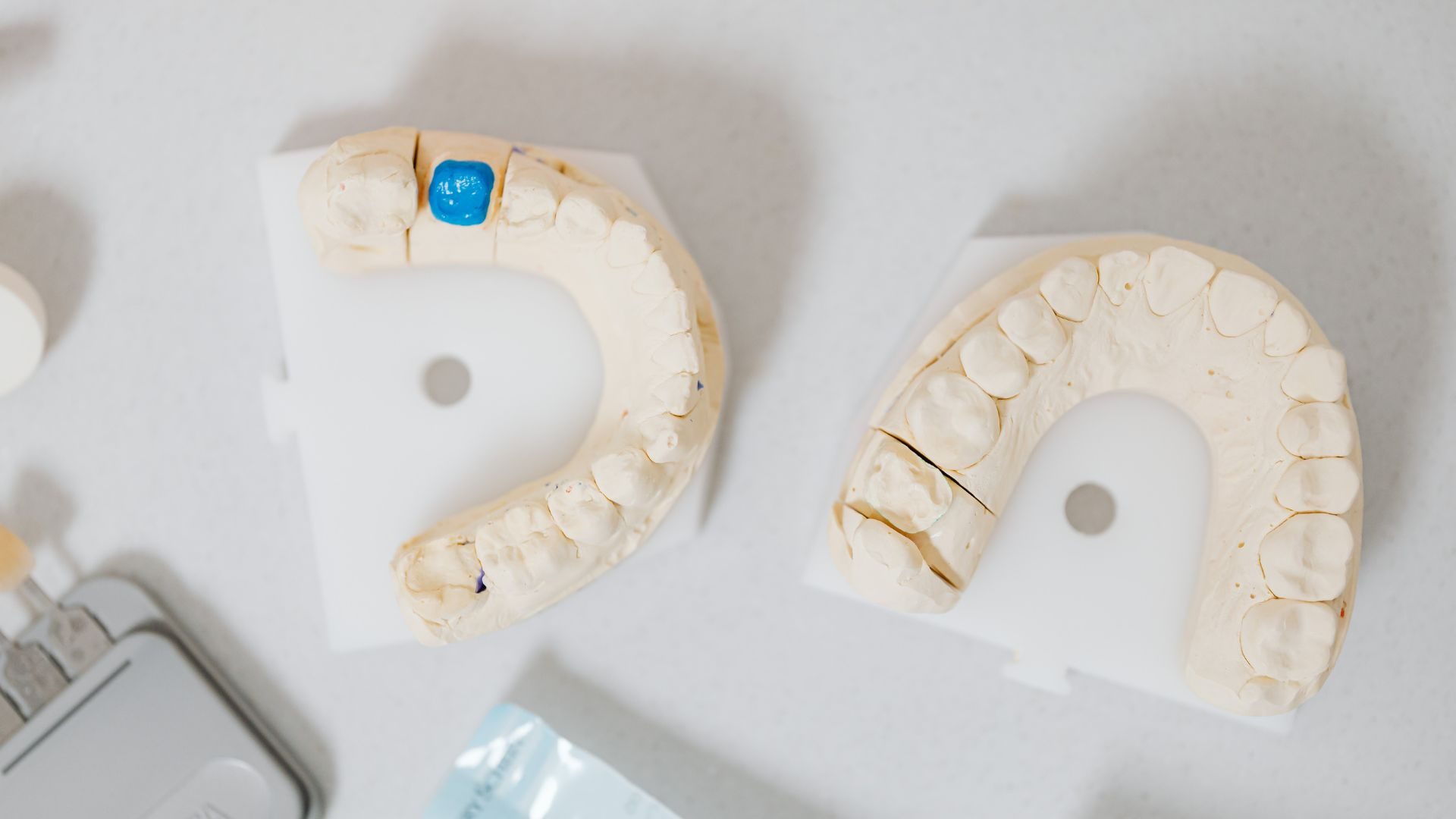
Top Long-Term Clinical Benefits of All-on-4 Dental Implants for Patients
All-on-4 dental implants have become a widely used solution for patients seeking a stable, long-term alternative to traditional dentures. This advanced implant approach is designed to restore full-arch function while improving comfort, durability, and overall oral health. Unlike removable dentures, all-on-4 dental implants are securely anchored to the jawbone, which helps enhance chewing efficiency and speech while reducing irritation and movement. As more patients look for permanent tooth replacement options that support both daily function and long-term wellness, understanding the clinical benefits of all-on-4 dental implants can help clarify why this treatment is often recommended by dental professionals for comprehensive tooth restoration.
How All-on-4 Dental Implants Enhance Patient Outcomes
All-on-4 dental implants are designed to deliver comprehensive improvements in oral function, comfort, and long-term health for patients with significant tooth loss. By combining strategic implant placement with a fixed full-arch prosthesis, this approach addresses both clinical and quality-of-life concerns. The following sections outline how all-on-4 dental implants enhance patient outcomes through stability, efficiency, and long-term oral health support.
Restoring Full-Arch Function and Stability
One of the most significant benefits of all-on-4 dental implants is their ability to restore full-arch function in a stable and predictable manner. Patients who struggle with removable dentures often experience limitations in daily activities, which this implant-supported solution is designed to overcome.
Improved Bite Strength and Chewing Efficiency
All-on-4 dental implants are anchored securely in the jawbone, allowing patients to generate greater bite force compared to traditional dentures. This improved stability supports more effective chewing, which can enhance digestion and allow patients to enjoy a broader range of foods. Over time, improved chewing function contributes to better nutrition and overall health.
Reduced Denture Movement and Discomfort
Because the prosthesis is fixed in place, patients experience significantly less movement, rubbing, or pressure compared to removable dentures. This stability reduces soft tissue irritation and improves comfort during speaking and eating, leading to greater daily confidence.
Supporting Long-Term Jawbone Health
Jawbone preservation is a critical factor in long-term oral health, especially for patients who have experienced extensive tooth loss. When teeth are missing, the jawbone no longer receives the stimulation it needs, which can lead to gradual bone deterioration over time. All-on-4 dental implants are designed to address this issue by restoring functional stimulation to the jaw, helping protect bone structure and support overall oral stability. This benefit extends beyond aesthetics and plays a vital role in maintaining facial support, bite alignment, and long-term implant success.
Bone Stimulation and Preservation
The implants used in all-on-4 dental implants integrate directly with the jawbone through a biological process known as osseointegration. This integration allows the implants to function similarly to natural tooth roots, transmitting chewing forces into the bone during daily activities. Over time, this stimulation helps maintain bone density and slows the bone loss that commonly occurs with removable dentures or untreated tooth loss
Reduced Facial Structure Changes Over Time
By maintaining jawbone volume, all-on-4 dental implants help preserve the natural contours of the face. Patients who rely on traditional dentures often experience gradual facial collapse, leading to a sunken appearance around the mouth and jawline. In contrast, implant-supported restorations provide underlying structural support that helps maintain facial balance. Many patients notice a more youthful and natural appearance over time, which contributes positively to both confidence and overall quality of life.
Enhancing Comfort and Daily Confidence
Comfort and confidence are essential components of successful tooth replacement, and these factors significantly influence patient satisfaction. All-on-4 dental implants are designed to feel secure and stable, allowing patients to go about their daily routines without the discomfort or uncertainty associated with removable appliances. This sense of reliability can greatly improve emotional well-being and reduce anxiety related to eating, speaking, or social interactions.
Fixed Prosthesis for Everyday Activities
Unlike removable dentures, all-on-4 dental implants are anchored firmly in place and do not require adhesives or daily removal. This fixed design allows patients to eat a wider range of foods, speak naturally, and engage confidently in social and professional settings. The stability of the prosthesis minimizes pressure points and eliminates movement, which often leads to improved comfort throughout the day. Patients frequently report feeling that their implant-supported teeth function much more like natural teeth.
Improved Speech Clarity
Loose or ill-fitting dentures can interfere with speech by shifting during conversation or altering tongue placement. With all-on-4 dental implants, the fixed prosthesis remains stable, allowing for more natural speech patterns. Patients often experience clearer pronunciation and greater confidence when speaking, particularly in public or professional environments. This improvement can have a meaningful impact on daily communication and self-esteem.
Streamlining Treatment and Recovery
Efficiency in treatment planning and recovery is another key advantage of all-on-4 dental implants. This approach is specifically designed to simplify full-arch restoration while still delivering long-lasting and reliable results. By reducing the number of implants needed and optimizing placement, many patients can complete treatment in a shorter timeframe compared to traditional implant protocols.
Strategic Implant Placement
All-on-4 dental implants utilize angled posterior implants to maximize contact with available bone, particularly in areas where bone volume may be limited. This strategic placement often eliminates the need for bone grafting, which can add time, cost, and complexity to treatment. As a result, a wider range of patients may qualify for all-on-4 dental implants, including those who were previously told they were not candidates for implants.
Faster Functional Results
In many cases, patients can receive a temporary fixed prosthesis shortly after implant placement, allowing them to regain basic function while the implants heal. This immediate or near-immediate restoration helps patients avoid extended periods without teeth and supports a smoother transition into their final prosthesis. Faster functional results contribute to higher patient satisfaction and a more positive overall treatment experience.
Improving Long-Term Oral Health Maintenance
Maintaining oral health is often simpler with implant-supported restorations that are designed for long-term use. All-on-4 dental implants eliminate many of the challenges associated with removable dentures, making daily care more manageable and effective. Proper maintenance supports implant longevity and helps protect surrounding oral tissues.
Simplified Oral Hygiene Practices
Patients with all-on-4 dental implants can follow straightforward hygiene routines that include brushing, flossing with specialized tools, and routine professional cleanings. Unlike removable dentures, implant-supported prostheses do not trap debris underneath in the same way, reducing irritation and inflammation of the gums. Consistent hygiene helps maintain healthy tissues and supports long-term implant stability.
Ongoing Professional Monitoring
Regular dental visits allow providers to monitor implant health, prosthesis condition, and overall oral wellness. During these appointments, clinicians can assess bone levels, check for wear, and address minor issues before they progress. This proactive monitoring approach plays a key role in ensuring the long-term success of all-on-4 dental implants and maintaining patient confidence in their treatment.
Enhancing Quality of Life and Patient Satisfaction
Beyond clinical outcomes, all-on-4 dental implants have a significant impact on overall quality of life. Patients often report meaningful improvements in comfort, confidence, and daily functionality after treatment. These benefits extend beyond oral health and positively influence social interactions, nutrition, and emotional well-being.
Increased Patient Confidence and Satisfaction
The stability and natural feel of all-on-4 dental implants contribute to high satisfaction rates compared to traditional dentures. Patients often feel more confident in their appearance and less self-conscious about their teeth in everyday situations. This renewed confidence can improve personal relationships, professional interactions, and overall happiness.
Long-Term Treatment Value
When durability, comfort, and reduced need for frequent adjustments are considered, all-on-4 dental implants offer strong long-term value for patients. While the initial investment may be higher than removable options, the long-lasting benefits often outweigh ongoing denture maintenance and replacement costs. This comprehensive solution supports functional, aesthetic, and lifestyle goals well into the future.
All-on-4 Dental Implants vs Traditional Dentures
When patients are considering full-arch tooth replacement, the comparison between all-on-4 dental implants and traditional dentures is one of the most important clinical discussions. While both options are designed to restore the appearance of a full smile, they differ significantly in stability, function, long-term oral health impact, and overall patient experience. Understanding these differences helps patients make informed decisions and allows clinicians to clearly communicate the long-term advantages of implant-supported solutions.
Stability and Functional Performance
Stability and functional reliability are often the primary concerns for patients transitioning from tooth loss to full-arch restoration. Many individuals who have worn dentures report ongoing challenges with movement, discomfort, and limited chewing ability. All-on-4 dental implants are designed to address these issues by providing a fixed, implant-supported solution that closely mimics natural tooth function and stability.
Fixed Implant Support vs Removable Appliances
All-on-4 dental implants are anchored directly into the jawbone, creating a fixed foundation that remains securely in place throughout daily activities. Traditional dentures, by contrast, rest on the gums and rely on suction or adhesives for retention, which can vary in effectiveness. This fundamental difference allows implant-supported restorations to deliver more predictable performance and greater patient confidence during eating and speaking.
Impact on Chewing and Bite Force
Because all-on-4 dental implants are fixed and stable, patients can generate stronger bite force and chew a wider variety of foods with greater ease. Traditional dentures often limit diet choices due to movement or discomfort, which can affect nutrition and enjoyment of meals over time. Improved chewing efficiency with implants supports both oral health and overall wellness.
Comfort and Daily Wear Experience
Daily comfort is a major factor influencing long-term patient satisfaction with full-arch restorations. Patients who experience chronic irritation or pressure from removable appliances may struggle with consistent wear and overall quality of life. All-on-4 dental implants are designed to improve comfort by eliminating many of the issues associated with traditional dentures.
Reduced Irritation and Pressure Points
Traditional dentures can cause sore spots, gum irritation, and uneven pressure due to constant contact with soft tissue. All-on-4 dental implants transfer chewing forces directly to the jawbone rather than the gums, which significantly reduces irritation. This design helps patients feel more comfortable throughout the day and reduces the need for frequent adjustments.
Elimination of Denture Adhesives
Patients with traditional dentures often rely on adhesives to improve retention, which can be messy and inconsistent. All-on-4 dental implants remove the need for adhesives entirely, allowing patients to enjoy a more predictable and maintenance-friendly daily routine. This elimination of adhesives is often cited as a major quality-of-life improvement.

Jawbone Health and Facial Structure
Long-term oral health extends beyond teeth and includes maintaining the integrity of the jawbone and facial structure. Tooth loss can have progressive effects on bone health if not properly addressed.
Bone Loss With Traditional Dentures
Traditional dentures do not provide the stimulation needed to maintain jawbone density. Over time, this lack of stimulation can lead to bone resorption, causing dentures to fit poorly and increasing the need for relines or replacements. Bone loss can also contribute to changes in facial appearance, such as a sunken or aged look.
Bone Preservation With All-on-4 Dental Implants
All-on-4 dental implants stimulate the jawbone through regular chewing forces, helping preserve bone density and structure. This preservation supports long-term oral health and helps maintain facial contours. By slowing or preventing bone loss, implant-supported restorations offer benefits that extend well beyond functional tooth replacement.
Maintenance and Long-Term Care Requirements
The level of maintenance required for full-arch restorations can significantly impact patient preference and long-term satisfaction. Understanding these differences helps patients choose an option that aligns with their lifestyle and care expectations.
Daily Care and Hygiene Differences
Traditional dentures must be removed daily for cleaning and soaking, which some patients find inconvenient or uncomfortable. All-on-4 dental implants are cleaned similarly to natural teeth, using brushing, flossing aids, and professional cleanings. This familiar routine often feels more manageable and less disruptive to daily life.
Frequency of Adjustments and Replacements
Dentures frequently require adjustments, relines, or replacement as the jawbone changes shape over time. All-on-4 dental implants are designed as a long-term solution, with fewer ongoing modifications needed when proper care and follow-up are maintained. This stability reduces long-term maintenance concerns for many patients.
Speech and Social Confidence
Speech clarity and confidence are essential for social interaction and professional communication. Many denture wearers report self-consciousness related to movement or sound.
Improved Speech With Fixed Implant Restorations
Loose or shifting dentures can interfere with pronunciation and cause clicking or movement during speech. All-on-4 dental implants remain securely in place, allowing for more natural speech patterns. Patients often experience improved clarity and greater confidence in conversations.
Social and Psychological Benefits
The stability of all-on-4 dental implants can significantly reduce anxiety related to eating, speaking, or smiling in public. Patients frequently report improved self-esteem and greater willingness to engage socially. These psychological benefits play a meaningful role in overall treatment satisfaction.
Long-Term Value and Patient Satisfaction
While upfront cost is an important consideration, long-term value often becomes a deciding factor when patients compare full-arch restoration options. Evaluating durability, comfort, and maintenance over time provides a clearer picture of overall value.
Durability and Longevity
Traditional dentures typically require replacement every several years due to wear, fit changes, or damage. All-on-4 dental implants are designed for long-term durability, often lasting many years with proper care. This longevity contributes to their appeal as a permanent solution.
Overall Patient Satisfaction Over Time
Clinical experience consistently shows higher satisfaction rates among patients who choose implant-supported restorations. When improved comfort, function, confidence, and reduced maintenance are considered together, all-on-4 dental implants often provide superior long-term outcomes compared to traditional dentures.
Addressing Risks and Safety Considerations of All-on-4 Dental Implants in Clinical Practice
Addressing risk and safety proactively is essential for delivering predictable outcomes with all-on-4 dental implants while protecting both patients and the practice. From initial screening through long-term follow-up, a structured, clinic-centered approach to risk management helps reduce complications, improve case acceptance, and reinforce clinical credibility. Practices that clearly communicate safety protocols and mitigation strategies are better positioned to support informed consent and long-term success.
Comprehensive Patient Screening and Case Selection
Effective risk management begins with identifying appropriate candidates for all-on-4 dental implants. Thorough screening allows clinicians to anticipate challenges and determine whether modifications to the treatment plan are required.
Medical History and Systemic Health Evaluation
Reviewing systemic conditions such as diabetes, cardiovascular disease, autoimmune disorders, and smoking status is critical when evaluating implant candidacy. These factors can influence healing, osseointegration, and overall surgical risk. By identifying concerns early, clinics can coordinate medical clearance, recommend lifestyle modifications, or delay treatment when necessary to improve outcomes.
Assessing Bone Quality and Anatomical Limitations
Diagnostic imaging, including CBCT scans, allows providers to evaluate bone volume, density, and anatomical structures prior to surgery. Understanding these parameters supports safer implant placement and helps reduce the risk of nerve injury, sinus complications, or implant instability during all-on-4 dental implant procedures.
Managing Short-Term Postoperative Risks
While all-on-4 dental implants are designed to streamline treatment, postoperative monitoring remains critical during the early healing phase. This period represents a key opportunity for clinics to reinforce patient education, identify early concerns, and set the tone for long-term success. A proactive approach to short-term risk management helps reduce complications while improving patient confidence in the care process.
Swelling, Discomfort, and Healing Expectations
Patients may experience swelling, bruising, or temporary discomfort following surgery, which is a normal part of the healing process. Clinics that clearly outline expected recovery timelines and provide structured pain management strategies help reduce uncertainty and anxiety during this phase. Detailed postoperative instructions, combined with clear guidance on activity restrictions and medication use, improve patient compliance. Early follow-up appointments allow providers to assess healing progress, reinforce care instructions, and address concerns before they escalate.
Monitoring for Early Complications
Clinicians should monitor for signs of infection, implant mobility, prolonged swelling, or soft tissue complications during the initial healing period. Early identification of these issues allows for timely intervention, which can prevent more serious complications from developing. Documenting findings and maintaining consistent communication with patients during this phase supports continuity of care and strengthens clinical outcomes.
Long-Term Risk Mitigation and Implant Longevity
Risk management does not end after osseointegration, and long-term implant success depends on continued clinical oversight and patient engagement. Clinics that emphasize preventive care and routine monitoring are better positioned to protect implant longevity and reduce the likelihood of late-stage complications. Long-term strategies should be integrated into standard care protocols rather than treated as optional follow-up.
Preventing Peri-Implant Disease
Peri-implantitis is a potential long-term risk associated with dental implants and can compromise both soft tissue and bone if left unmanaged. Clinics should provide ongoing education on proper hygiene techniques and reinforce the importance of routine professional maintenance visits. Regular assessments allow providers to identify early signs of inflammation and intervene before significant damage occurs. This proactive approach helps preserve implant stability and overall oral health.
Occlusion and Prosthetic Maintenance
Improper bite forces, parafunctional habits, or prosthetic wear can place excessive stress on implants over time. Regular occlusal assessments and prosthesis evaluations help ensure that all-on-4 dental implants continue to function as intended. Adjustments to occlusion or restoration components can reduce uneven force distribution and protect supporting bone structures. Addressing these factors early supports long-term durability and patient comfort.
Informed Consent and Patient Education
Clear communication is a cornerstone of ethical and safe clinical practice, particularly for complex procedures like all-on-4 dental implants. Patients who understand both the benefits and risks of treatment are more likely to remain compliant and satisfied with their outcomes. Consistent education also reduces misunderstandings that can lead to dissatisfaction or complaints.
Transparent Risk Discussions During Consultations
Clinics should openly discuss potential risks, limitations, and alternative treatment options during the consultation process. Presenting this information clearly and professionally helps patients make informed decisions without feeling overwhelmed. Framing risks alongside mitigation strategies reinforces confidence and demonstrates the clinic’s commitment to patient safety. This transparency supports trust and strengthens shared decision-making.
Setting Realistic Long-Term Expectations
Educating patients about implant lifespan, maintenance requirements, and the possibility of future intervention helps align expectations with clinical reality. Patients who understand the long-term nature of implant care are better prepared to commit to follow-up visits and hygiene protocols. This transparency reduces dissatisfaction and reinforces the practice’s role as a long-term care partner rather than a single-procedure provider.
Standardizing Safety Protocols Across the Practice
Consistency in safety procedures is critical for multi-provider or growing practices offering all-on-4 dental implants. Standardized workflows reduce variability in care and help ensure that every patient receives the same high level of clinical attention. This consistency also supports training, scalability, and quality assurance.
Developing Clinical Guidelines and Training
Establishing standardized protocols for screening, surgery, and follow-up ensures all team members follow the same safety standards. Written guidelines support clarity across roles, from clinical staff to patient coordinators. Ongoing training allows practices to incorporate new technology, refine techniques, and maintain high standards as treatment volumes grow.
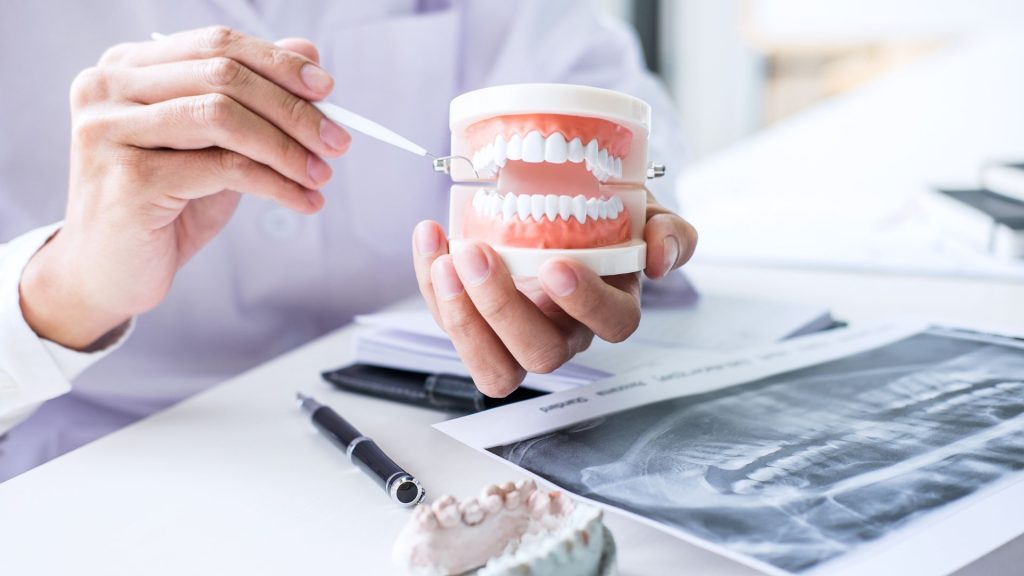
Supporting Compliance and Risk Reduction
Documented protocols and consistent workflows also support regulatory compliance and internal risk management. Clear documentation helps protect the practice in the event of audits or patient concerns. Clinics that prioritize safety at every stage of care are better equipped to deliver reliable outcomes while protecting both patients and the practice.
How a Cosmetic Dentistry Marketing Expert Leads All-on-4 Candidates to Clinics
Cosmetic dentistry marketing plays a critical role in connecting clinics with patients who are actively searching for advanced solutions like all-on-4 dental implants. Many potential candidates begin their journey online by researching full-arch tooth replacement options, costs, recovery expectations, and long-term outcomes. Strategic cosmetic dentistry marketing ensures that clinics appear prominently during this research phase with clear, educational content that builds trust and positions the practice as a qualified provider of all-on-4 dental implants.
By leveraging cosmetic dentistry marketing strategies such as search optimization, patient-focused content, and local visibility, clinics can attract more informed and motivated all-on-4 candidates. A targeted approach helps practices reach patients who are not only interested in cosmetic improvements but also seeking functional, long-term dental solutions. When executed effectively, cosmetic dentistry marketing supports higher-quality consultations, improves patient readiness, and drives sustainable growth for clinics offering all-on-4 dental implants.
Contact a Trusted Cosmetic Dentistry Marketing Expert Today
At Patient Profit, we specialize in cosmetic dentistry marketing strategies designed to help practices attract qualified candidates for advanced procedures like all-on-4 dental implants. Our team understands how patients research full-arch restoration options, and we develop targeted campaigns that improve online visibility, educate prospective patients, and position clinics as trusted providers. By aligning marketing efforts with patient intent, we help cosmetic dental practices stand out in competitive markets.
We focus on long-term, sustainable growth supported by clear performance metrics and patient acquisition goals. From search optimization and content development to conversion-focused lead generation strategies, our approach is built specifically for cosmetic dentistry practices offering all-on-4 dental implants. We work closely with your team to refine messaging, improve consultation quality, and support consistent growth over time. Our strategies are designed to attract patients who are well-informed and ready to move forward with treatment, helping your practice maximize efficiency and return on investment. To get started, call us today at (805) 902-4630 or visit our online page to fill out the form and begin the consultation process.