Synthesizing care and capital...
  • How Early Is Too Early for Patients to Consider Wisdom Tooth Removal Surgery? 

    How Early Is Too Early for Patients to Consider Wisdom Tooth Removal Surgery? 

    How Early Is Too Early for Patients to Consider Wisdom Tooth Removal Surgery? 

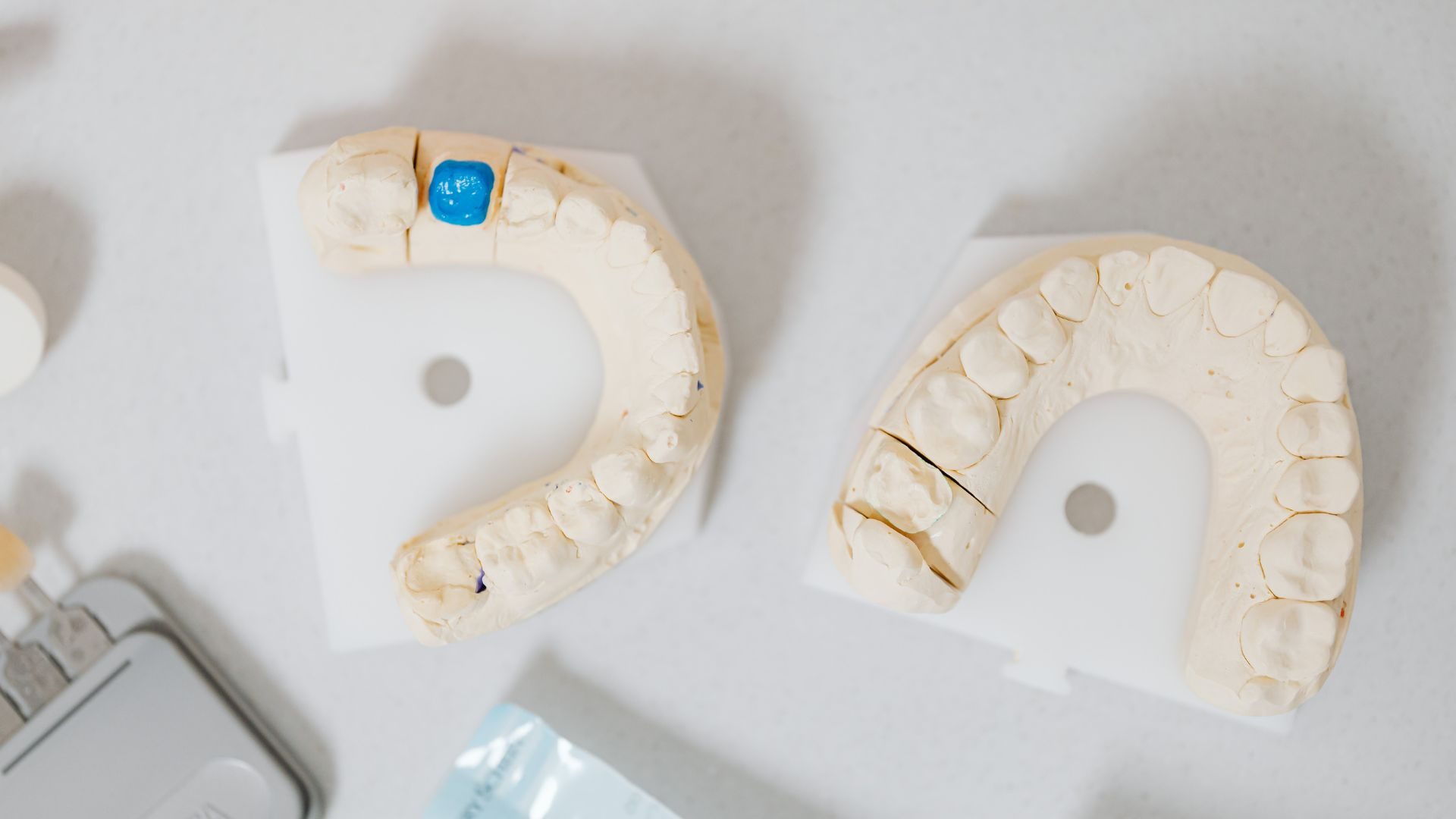
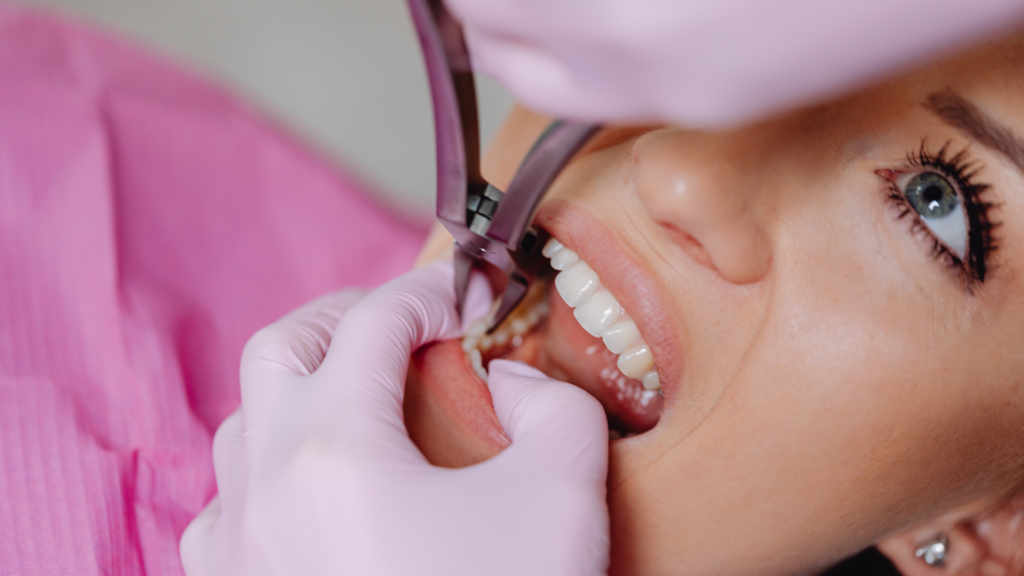
    Deciding when to remove wisdom teeth is a common question for patients and parents alike, especially since these third molars often begin developing years before they cause noticeable symptoms. Although wisdom teeth typically erupt in the late teens or early twenties, dental professionals may start evaluating them much earlier to monitor growth patterns, jaw development, and available space. Early assessment allows providers to identify potential risks such as impaction, crowding, infection, or damage to nearby teeth before they become more complex issues. By understanding how wisdom teeth form and why proactive planning is sometimes recommended, patients can make more informed decisions about wisdom tooth removal surgery and reduce the likelihood of pain, complications, or more invasive treatment later on.

    What to Ask Patients Before Wisdom Tooth Removal Surgery 

    Before moving forward with wisdom tooth removal surgery, providers should ask targeted questions that support accurate diagnosis and thoughtful treatment planning. These discussions help uncover developmental factors, current risks, and patient-specific concerns that may influence timing and surgical approach. Additionally, structured questions allow clinicians to educate patients clearly while setting realistic expectations for outcomes and recovery. By starting with a comprehensive conversation, providers can guide patients toward informed decisions that prioritize long-term oral health and overall comfort.

    How Old Is the Patient and What Stage of Development Are the Wisdom Teeth In

    Before recommending wisdom tooth removal surgery, providers should understand the patient’s age and current stage of tooth development. Younger patients often have partially formed roots, which can allow for smoother removal and faster recovery outcomes. Additionally, evaluating developmental timing helps clinicians anticipate future eruption patterns and potential complications. As a result, age-related assessment supports more accurate treatment planning and clearer expectations for patients and families. This discussion also helps establish whether early intervention may reduce surgical complexity later.

    Why Age Influences Surgical Difficulty and Healing

    Age plays a meaningful role in how the body responds to oral surgery and post-operative healing. Younger patients typically experience more flexible bone structure and improved tissue response following extraction. Consequently, recovery may involve less swelling, discomfort, and overall healing time. Providers can use this information to guide patients toward timing that aligns with lower procedural risk. Therefore, discussing age-related factors builds confidence in the recommended treatment plan.

    Are the Wisdom Teeth Impacted or Likely to Become Impacted

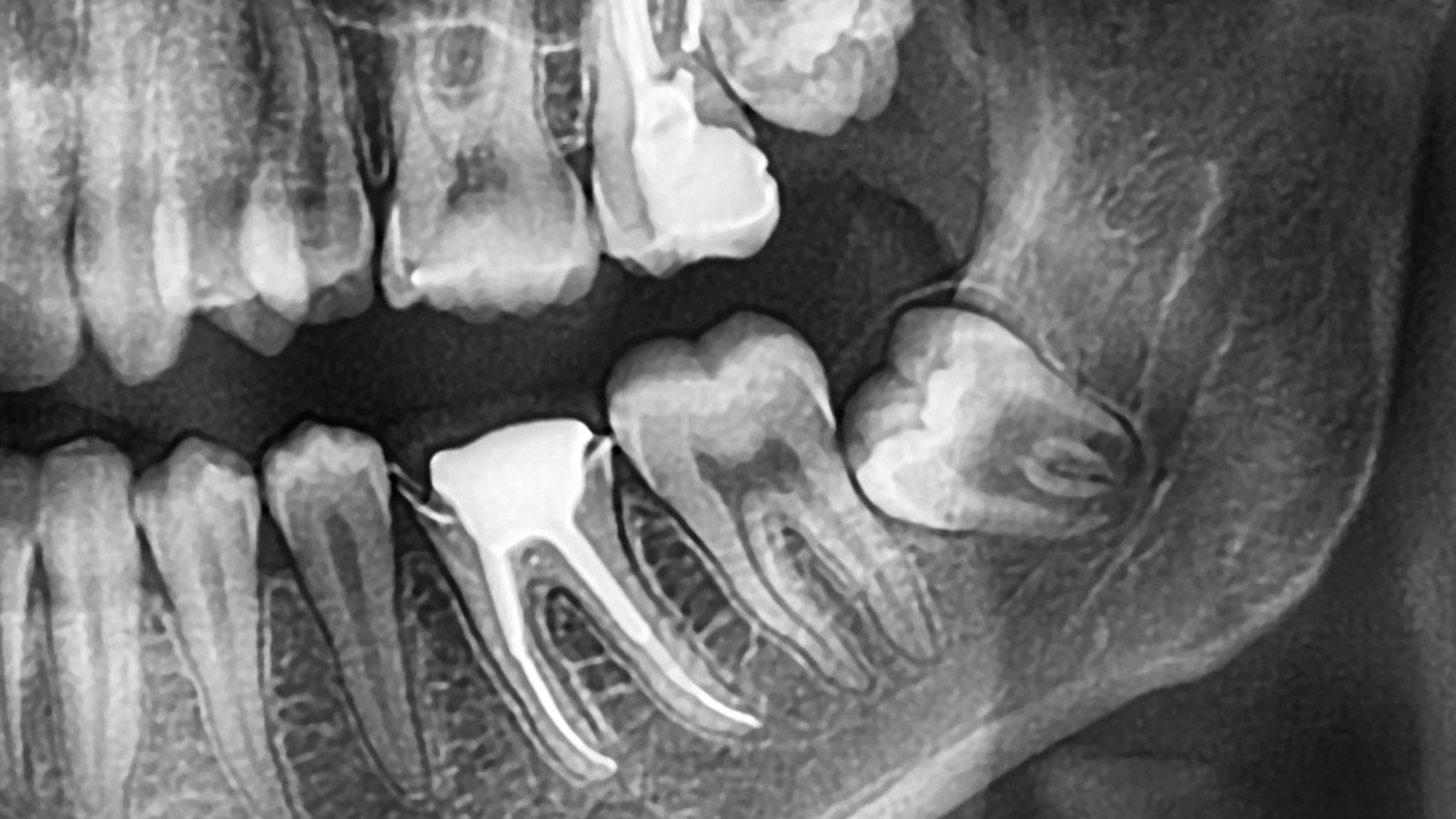
    Determining whether wisdom teeth are impacted is essential before proceeding with surgical planning. Impacted teeth can place pressure on adjacent teeth and surrounding bone, which may lead to pain or alignment concerns. Imaging allows clinicians to evaluate angulation, depth, and available space within the jaw. With this information, providers can explain how impaction affects long-term oral health. As a result, patients gain clarity on why proactive removal may be recommended.

    How Impaction Can Affect Surrounding Teeth and Gums

    Impacted wisdom teeth can create areas that are difficult to clean and maintain properly. Over time, trapped bacteria may increase the risk of infection, gum inflammation, or decay in nearby teeth. Additionally, pressure from impacted teeth can contribute to crowding or shifting within the dental arch. By explaining these risks clearly, providers help patients understand the preventative value of surgery. This knowledge supports informed decision-making and long-term oral health planning.

    Is the Patient Experiencing Any Current Symptoms or Discomfort

    Understanding a patient’s current symptoms helps guide the urgency of wisdom tooth removal surgery. Pain, swelling, or recurring infections often indicate that the teeth are already causing problems. However, absence of symptoms does not always mean there is no underlying risk. Therefore, clinicians should discuss both present discomfort and potential future complications. This balanced approach ensures patients understand both immediate and preventative considerations.

    How Symptoms May Progress Without Surgical Intervention

    Symptoms related to wisdom teeth often worsen gradually rather than resolving on their own. Mild discomfort can eventually develop into infection, cyst formation, or damage to surrounding structures. As conditions progress, treatment may become more complex and recovery may take longer. By explaining this progression, providers help patients understand why early intervention is sometimes advised. This conversation encourages timely action and reduces the likelihood of emergency situations.

    What Is the Patient’s Overall Oral and Medical Health

    A thorough review of oral and medical history is critical before planning wisdom tooth removal surgery. Conditions such as gum disease, compromised immune response, or certain medications can affect healing outcomes. Additionally, overall oral health influences surgical approach and post-operative care recommendations. Therefore, discussing health history allows providers to tailor treatment plans more effectively. Patients benefit from understanding how their individual health factors influence surgical safety.

    How Medical Factors Can Influence Surgical Planning

    Medical conditions may require adjustments to anesthesia, medication, or recovery protocols. For example, certain health factors may increase infection risk or slow healing. By addressing these considerations early, providers can coordinate care and minimize potential complications. This proactive discussion reassures patients that their safety remains a priority. Ultimately, personalized planning supports more predictable outcomes.

    What Are the Patient’s Concerns and Expectations About Surgery

    Patient concerns and expectations play a significant role in treatment acceptance and satisfaction. Some patients may feel anxious about pain, recovery time, or time away from daily activities. Addressing these concerns openly helps build trust and encourages honest communication. Furthermore, aligning expectations with realistic outcomes supports a smoother experience. Clear discussions improve patient confidence and preparedness.

    How Setting Expectations Improves the Surgical Experience

    When patients understand what to expect before, during, and after surgery, anxiety often decreases. Clear explanations of recovery timelines, post-operative care, and potential discomfort promote cooperation and compliance. Additionally, realistic expectations reduce the likelihood of dissatisfaction after treatment. By guiding patients through the process step by step, providers foster a more positive overall experience. This approach strengthens patient relationships and supports successful outcomes.
    How Early Is Too Early for Patients to Consider Wisdom Tooth Removal Surgery 

    When Wisdom Tooth Surgery Is Recommended Even Without Symptoms

    Wisdom tooth surgery is not only recommended when patients experience pain or visible problems. In many cases, dental professionals identify underlying risks long before noticeable symptoms develop. Through imaging and routine evaluations, providers can detect positioning issues, limited jaw space, or developmental concerns that may create future complications. By addressing these risks early, wisdom tooth surgery can serve as a preventive step rather than a reactive solution. This proactive approach often supports better outcomes and simpler recovery for patients.

    How Asymptomatic Wisdom Teeth Can Still Create Hidden Risks

    Wisdom teeth that do not cause immediate discomfort may still pose long-term oral health concerns. These teeth can remain partially trapped beneath the gums, which allows bacteria to accumulate unnoticed. Over time, this buildup increases the risk of infection, inflammation, and damage to surrounding teeth. As a result, patients may develop complications without warning signs. Explaining these hidden risks helps patients understand why wisdom tooth surgery may be advised despite the absence of pain.

    The Role of Imaging in Detecting Silent Problems

    Advanced imaging plays a critical role in identifying issues that are not visible during a standard exam. X-rays and three-dimensional scans allow providers to evaluate tooth angulation, root development, and proximity to nerves. This detailed view helps clinicians determine whether wisdom teeth are likely to erupt properly or remain impacted. With clear visual evidence, patients can better understand the recommendation for early wisdom tooth surgery. This clarity supports trust and informed decision-making.

    Why Timing Matters for Preventive Wisdom Tooth Surgery

    Timing is an important factor when considering wisdom tooth surgery without symptoms. Younger patients often have less dense bone and partially formed roots, which can simplify surgical removal. Additionally, earlier intervention may reduce the risk of complications and shorten recovery time. By discussing timing openly, providers help patients weigh preventive benefits against waiting. This conversation supports strategic planning that prioritizes long-term oral health.

    How Early Removal Can Reduce Surgical Complexity

    Removing wisdom teeth before problems arise can limit surgical difficulty in many cases. Teeth that are fully developed or deeply impacted often require more extensive procedures. In contrast, early wisdom tooth surgery may involve less invasive techniques and smoother healing. Patients often appreciate understanding how early action can reduce future challenges. This explanation reinforces the value of preventive care.

    Preventing Damage to Nearby Teeth and Bone

    Even symptom-free wisdom teeth can place pressure on adjacent teeth and surrounding bone. Over time, this pressure may contribute to crowding, enamel damage, or bone loss. These changes often occur gradually and may not be immediately noticeable. Wisdom tooth surgery helps eliminate this source of stress within the jaw. By preventing damage early, patients protect the alignment and stability of their natural teeth.

    Long-Term Oral Health Benefits of Proactive Removal

    Proactive wisdom tooth surgery supports long-term oral health by reducing future treatment needs. Patients who address potential issues early may avoid infections, complex extractions, or orthodontic concerns later. Additionally, preventive removal often leads to more predictable outcomes and fewer follow-up interventions. This long-term perspective helps patients see wisdom tooth surgery as an investment in overall oral stability. Clear communication reinforces confidence in preventive recommendations.

    Common Risks Patients Should Understand Before Wisdom Tooth Surgery

    Before proceeding with wisdom tooth surgery, patients should understand the potential risks involved and how providers work to manage them. Clear education helps patients feel prepared while supporting informed consent and realistic expectations. Although wisdom tooth surgery is commonly performed and generally safe, every surgical procedure carries some level of risk. By reviewing these factors in advance, providers can reduce anxiety and strengthen patient trust. This transparency supports better communication and smoother overall experiences.

    Temporary Swelling, Discomfort, and Healing Responses

    Swelling and discomfort are common short-term effects following wisdom tooth surgery. These responses occur as the body naturally reacts to surgical intervention and tissue manipulation. Providers typically explain expected timelines so patients understand what is normal during recovery. With proper care instructions, most swelling and discomfort gradually improve within several days. Setting these expectations helps patients feel confident throughout the healing process.

    How Post-Operative Care Reduces Discomfort

    Following post-operative instructions plays a critical role in minimizing discomfort after wisdom tooth surgery. Ice application, prescribed medications, and activity limitations help control swelling effectively. Additionally, maintaining proper oral hygiene supports tissue healing and reduces irritation. When patients follow guidance closely, recovery tends to progress more smoothly. Clear instruction encourages compliance and improves overall comfort.

    Risk of Infection and Inflammation

    Infection is a potential risk associated with wisdom tooth surgery, particularly when teeth are impacted. Bacteria can enter surgical sites if hygiene is not properly maintained during recovery. Providers reduce this risk through sterile techniques and detailed aftercare guidance. Patients who understand warning signs can seek care promptly if concerns arise. Early intervention helps prevent complications and protects healing tissue.

    Why Monitoring Healing Progress Is Important

    Regular follow-up allows providers to assess healing and identify concerns early. Swelling, persistent pain, or unusual discharge may indicate inflammation or infection. By monitoring these signs, clinicians can address issues before they worsen. Patients benefit from knowing when to contact the office for guidance. This proactive approach supports safer outcomes.

    Potential Impact on Nearby Structures

    Wisdom tooth surgery involves areas close to nerves, sinuses, and adjacent teeth. Although complications are uncommon, patients should understand these anatomical considerations. Advanced imaging allows providers to plan carefully and minimize risk. Explaining this process reassures patients that safety remains a priority. Education helps patients feel comfortable with the surgical plan.

    How Advanced Imaging Improves Surgical Safety

    Imaging provides detailed insight into tooth position and surrounding anatomy. This information allows providers to select appropriate techniques and reduce unnecessary trauma. As a result, wisdom tooth surgery becomes more predictable and controlled. Patients appreciate understanding how technology supports safer care. Clear explanations build confidence in the procedure.

    What Recovery Looks Like After Wisdom Tooth Surgery for Different Age Groups

    Recovery after wisdom tooth surgery varies based on age, development, and overall health. Understanding these differences helps patients and families plan appropriately for healing time and aftercare needs. Providers often explain how age influences tissue response and recovery speed. This guidance allows patients to prepare realistically for downtime and support. Clear expectations contribute to a smoother recovery experience.

    Recovery Expectations for Teenagers and Younger Patients

    Teenagers often experience faster recovery following wisdom tooth surgery. Their bone structure is typically more flexible, and tooth roots may be partially developed. These factors can reduce surgical complexity and support quicker healing. Many younger patients return to normal activities sooner with proper care. Discussing these benefits helps families understand timing considerations.

    Why Early Intervention Often Supports Easier Healing

    Early wisdom tooth surgery may involve less trauma to surrounding tissue. Shorter procedures often result in reduced swelling and discomfort. As healing progresses efficiently, younger patients may experience fewer complications. Providers explain these advantages to support proactive planning. This understanding encourages timely decision-making.

    Recovery Considerations for Young Adults

    Young adults often balance recovery with work, school, or family responsibilities. While healing remains predictable, recovery may take slightly longer than in teenagers. Providers emphasize rest, hydration, and adherence to aftercare instructions. Proper planning helps minimize disruption to daily routines. Clear communication supports realistic scheduling expectations.

    Managing Activity and Nutrition During Recovery

    Following dietary recommendations supports healing after wisdom tooth surgery. Soft foods reduce irritation and protect surgical sites during early recovery. Limiting physical activity also helps prevent bleeding and swelling. Patients who manage these factors carefully often heal more comfortably. Education supports smoother progress.

    Recovery Expectations for Older Adults

    Older patients may experience longer healing periods following wisdom tooth surgery. Bone density and fully developed roots can increase surgical complexity. Providers account for these factors during treatment planning and recovery guidance. Additional follow-up may be recommended to monitor healing closely. Understanding these differences helps patients feel prepared.

    How Health History Influences Recovery Outcomes

    Overall health plays a significant role in post-surgical healing. Conditions such as delayed healing response may require modified aftercare strategies. Providers tailor recommendations based on individual needs to support recovery. Patients benefit from personalized guidance that prioritizes safety. This approach improves confidence and long-term outcomes.

    Signs That Delaying Wisdom Tooth Surgery May Cause Complications

    Delaying wisdom tooth surgery can increase the likelihood of developing oral health complications over time. While some patients may not experience immediate discomfort, underlying issues can progress quietly beneath the surface. As wisdom teeth continue to develop or remain impacted, surrounding tissues may become stressed or damaged. Recognizing early warning signs allows patients to address concerns before treatment becomes more complex. Timely education helps patients understand when postponement may no longer be beneficial.

    Persistent or Intermittent Pain in the Back of the Mouth

    Ongoing or recurring pain near the back molars is a common sign that wisdom teeth may be causing problems. This discomfort may appear gradually and worsen over time rather than resolving on its own. Even mild pain can indicate pressure against nearby teeth or bone. When ignored, these sensations may develop into more severe inflammation or infection. Discussing pain patterns helps providers determine whether wisdom tooth surgery should be prioritized.

    How Pain Can Signal Underlying Structural Issues

    Pain often reflects stress placed on surrounding teeth, nerves, or jawbone. Impacted wisdom teeth may push against adjacent molars, leading to enamel damage or alignment changes. In some cases, nerve irritation may contribute to radiating discomfort. Imaging helps confirm the source of pain and assess progression. Early intervention can prevent further structural damage.

    Swelling, Redness, or Gum Inflammation Around Wisdom Teeth

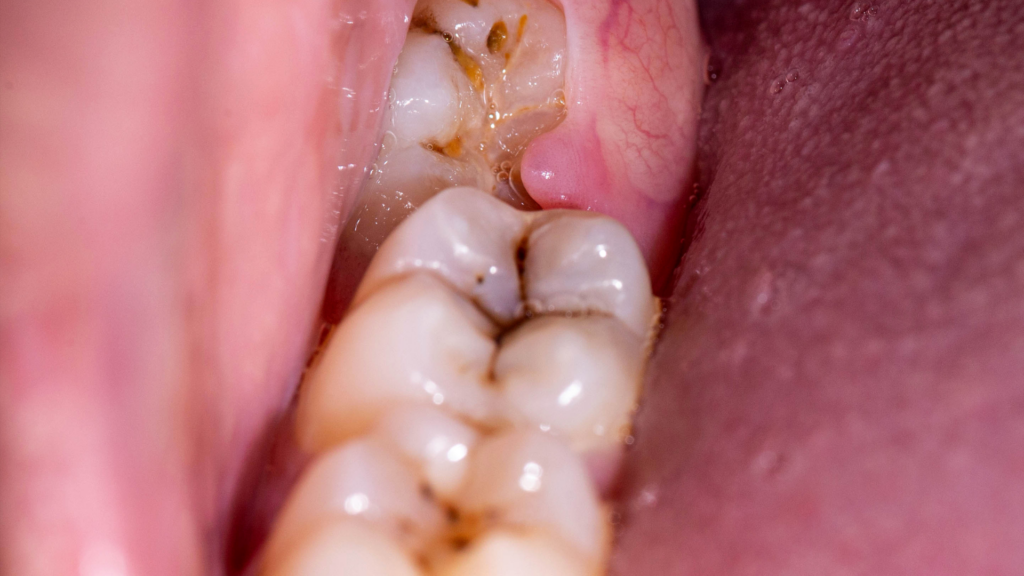
    Visible swelling or redness near wisdom teeth may indicate infection or trapped bacteria. Partially erupted teeth create spaces where food debris and plaque accumulate easily. Over time, this environment increases the risk of gum inflammation and infection. Patients may notice tenderness, bleeding, or difficulty cleaning the area. These signs often suggest that delaying wisdom tooth surgery could allow conditions to worsen.

    Why Inflammation Can Progress Without Treatment

    Inflammation rarely resolves permanently without addressing the underlying cause. Bacteria trapped around impacted teeth can spread to surrounding tissues. As inflammation progresses, patients may experience increased pain or limited jaw movement. Early surgical removal helps eliminate the source of irritation. Prompt action supports healthier gum tissue and easier recovery.

    Repeated Infections or Bad Taste That Returns Frequently

    Recurring infections around wisdom teeth are a strong indicator that surgical removal may be necessary. Patients may experience episodes of swelling, drainage, or an unpleasant taste that returns after temporary improvement. These infections can disrupt daily comfort and oral hygiene routines. Repeated antibiotic use without surgery often provides only short-term relief. Wisdom tooth surgery addresses the root cause rather than managing repeated symptoms.

    How Chronic Infection Increases Treatment Complexity

    Frequent infections can lead to scar tissue formation and increased inflammation. These changes may complicate future surgical procedures and prolong healing time. Additionally, untreated infections can spread to nearby teeth or bone. Providers often recommend surgery to prevent escalation. Early removal supports more predictable outcomes.

    Crowding or Shifting of Nearby Teeth

    Wisdom teeth can exert pressure on neighboring teeth as they attempt to erupt. Over time, this pressure may contribute to crowding or subtle shifting within the dental arch. Patients who have undergone orthodontic treatment may be particularly concerned about alignment changes. These shifts often occur gradually and may not be immediately noticeable. Addressing wisdom teeth early helps preserve existing alignment.

    Why Delayed Removal Can Affect Long-Term Alignment

    Continued pressure from wisdom teeth can destabilize tooth positioning over time. Even minor shifts may impact bite function or aesthetics. Orthodontic corrections may become necessary if changes progress. Wisdom tooth surgery removes a common source of crowding pressure. This preventive step supports long-term stability.

    Increased Surgical Difficulty With Age and Development

    As patients age, wisdom teeth roots continue to develop and bone density increases. These changes can make surgical removal more complex and recovery longer. Delaying wisdom tooth surgery may result in a more involved procedure later. Providers often discuss timing to help patients avoid unnecessary challenges. Understanding age-related factors supports informed scheduling decisions.

    How Early Planning Can Reduce Future Complications

    Early evaluation allows providers to recommend surgery during an optimal window. Less developed roots and more flexible bone often support easier removal. Patients may experience reduced swelling and faster healing when surgery occurs earlier. Proactive planning helps minimize risk and discomfort. Clear communication reinforces the value of timely care.

    Preparing Patients Mentally and Physically for Wisdom Tooth Surgery

    Preparing patients mentally and physically for wisdom tooth surgery plays a significant role in improving overall treatment experiences and recovery outcomes. When patients understand what to expect before surgery, anxiety often decreases and compliance improves. Clear preparation also helps reduce unexpected complications and supports smoother healing. By addressing both mental readiness and physical preparation, providers can help patients feel confident and informed. This comprehensive approach supports better surgical experiences and long-term satisfaction.

    Helping Patients Understand the Wisdom Tooth Surgery Process

    Mental preparation begins with clear education about how wisdom tooth surgery is performed. Patients benefit from understanding each stage of the procedure, from anesthesia to post-operative care. When providers explain the process clearly, uncertainty and fear often decrease significantly. Additionally, transparency helps patients feel involved in decision-making rather than overwhelmed. This understanding creates a calmer mindset leading into surgery.

    How Education Reduces Anxiety and Builds Trust

    Knowledge allows patients to replace fear with realistic expectations about wisdom tooth surgery. When patients understand timelines, sensations, and recovery milestones, stress often becomes more manageable. Open communication also strengthens trust between patients and providers. This trust encourages patients to ask questions and express concerns openly. As a result, surgical experiences feel more controlled and positive.

    Setting Clear Expectations for Recovery and Downtime

    Preparing patients mentally also involves discussing realistic recovery expectations. Patients should understand that swelling, rest, and temporary dietary changes are normal parts of healing. Clear timelines help patients plan work, school, and personal responsibilities accordingly. This preparation prevents frustration and promotes patience during recovery. Setting expectations early supports smoother post-operative experiences.

    Why Recovery Planning Improves Compliance

    When patients plan ahead for recovery, they are more likely to follow post-operative instructions carefully. Arranging time off, transportation, and soft foods reduces stress after surgery. Patients who feel prepared are less likely to rush healing or ignore restrictions. This proactive planning supports better outcomes and reduced complications. Consistent guidance reinforces the importance of recovery care.

    Physical Preparation Before Wisdom Tooth Surgery

    Physical preparation helps ensure that patients arrive for wisdom tooth surgery in optimal condition. Providers often review dietary instructions, medication adjustments, and hydration guidelines before the procedure. Following these instructions supports anesthesia safety and surgical efficiency. Patients who prepare physically may experience fewer complications during surgery. Clear pre-operative guidance improves overall readiness.

    How Following Pre-Surgical Instructions Supports Safety

    Adhering to pre-surgical instructions reduces risks related to anesthesia and healing. Fasting guidelines help prevent complications during sedation. Medication adjustments minimize bleeding or interaction concerns. Patients who understand these instructions are more likely to follow them correctly. This cooperation supports safer surgical outcomes.
    How Early Is Too Early for Patients to Consider Wisdom Tooth Removal Surgery 

    Addressing Patient Fears and Common Concerns

    Many patients feel anxious about pain, anesthesia, or recovery discomfort related to wisdom tooth surgery. Addressing these concerns directly helps normalize feelings and reduce fear. Providers who invite open discussion create supportive environments. This reassurance helps patients feel emotionally prepared. Compassionate communication strengthens confidence before surgery.

    How Reassurance Improves the Overall Experience

    Reassurance helps patients approach wisdom tooth surgery with a calmer mindset. When patients feel heard and supported, stress levels often decrease. Reduced anxiety may also positively influence recovery experiences. Providers who acknowledge concerns foster stronger relationships. This emotional support contributes to better patient satisfaction.

    Encouraging Healthy Habits Before Surgery

    Healthy habits before wisdom tooth surgery can support healing and overall resilience. Providers may encourage proper hydration, balanced nutrition, and adequate rest before the procedure. These habits help the body respond more effectively to surgery. Patients who feel physically well often recover more comfortably. Emphasizing wellness supports stronger outcomes.

    Why Overall Health Influences Surgical Recovery

    The body heals more efficiently when supported by healthy routines. Proper nutrition provides essential nutrients for tissue repair. Adequate rest supports immune response and energy levels. Patients who prioritize health before surgery may experience smoother recoveries. This guidance reinforces the connection between preparation and success.

    How Oral Surgery Marketing Services Help Create New Wisdom Tooth Patients 

    Oral surgery marketing services help practices reach patients who are actively searching for information about wisdom tooth concerns and treatment options. Through strategic search optimization, educational content, and local visibility, these services ensure that practices appear at critical decision-making moments. As a result, potential patients encounter clear explanations about wisdom tooth removal surgery before problems escalate. This early exposure builds trust and positions the practice as a reliable resource for preventive and surgical care.

    In addition, oral surgery marketing services support patient education by delivering accurate, easy-to-understand information across digital platforms. Well-structured content helps patients recognize symptoms, understand treatment timing, and feel confident scheduling consultations. Furthermore, consistent messaging across websites and local listings reinforces credibility and encourages action. By connecting education with visibility, these services help practices attract better-informed wisdom tooth patients who are prepared to move forward with care.

    Contact an Oral Surgeon Marketing Expert Today

    At Patient Profit, we specialize in oral surgery marketing strategies designed to help practices consistently attract patients seeking wisdom tooth removal surgery. Our team understands how patients research oral health concerns online and what information influences their decision to request a consultation. By combining search optimization, patient-focused educational content, and strong local visibility strategies, we help oral surgery practices connect with high-intent patients at critical decision-making stages. This structured approach supports higher-quality consultations, improved case acceptance, and sustainable practice growth over time.

    Our marketing solutions are built to generate long-term results rather than short-term increases in website traffic. We focus on clear messaging, measurable performance, and reliable lead generation strategies tailored specifically for oral surgeons. From educational content development to conversion-focused digital campaigns, Patient Profit works closely with your team to strengthen online authority and patient acquisition. To begin building a predictable flow of new wisdom tooth patients, call us today at (805) 902-4630 or fill out our online contact form to schedule your consultation and take the next step toward lasting growth. 

  • Tips to Rank Your Dental Practice in the AI Results

    Tips to Rank Your Dental Practice in the AI Results

    Tips to Rank Your Dental Practice in the AI Results

    As patients increasingly rely on AI-powered search tools to find dentists, ranking well in AI-generated results has become just as important, and in many cases more important, than traditional SEO alone. Modern AI search engines do not rely solely on keywords. Instead, they evaluate the overall credibility of your dental practice by analyzing clear demonstrations of expertise, accurate and consistent branding, patient engagement signals, online reviews, and the depth and usefulness of your content across the web. AI systems are designed to recommend providers they trust, which means your website, local listings, and educational resources must work together to clearly communicate authority and relevance. 

    By intentionally optimizing your digital presence around how AI interprets trust, expertise, and patient intent, your dental practice can remain highly visible, outperform local competitors, and appear in AI-driven recommendations at the exact moment prospective patients are ready to choose a provider and schedule an appointment. At Patient Profit, we specialize in helping dental practices adapt to this shift by building real authority, strengthening local signals, and creating AI-optimized marketing strategies that drive measurable growth. If you want your practice to be found, trusted, and chosen in AI-powered search results, call us today at (805) 902-4630 to start turning visibility into booked appointments.

    How Patient Profit Can Improve AI Visibility for Your Dental Practice

    Patient Profit helps dental offices strengthen AI visibility for dental practices by aligning proven dental marketing strategies with how modern AI platforms evaluate trust, authority, and relevance. Patient Profit specializes in positioning dental practices to stand out in both traditional search engines and AI-powered results by focusing on long-term credibility, patient trust signals, and visibility that converts into real appointments, not just impressions.

    AI-Optimized Dental Content That Builds Authority

    Patient Profit develops in-depth, dental-specific content that clearly communicates your expertise to AI systems and prospective patients alike. This includes optimized service pages, educational blog content, and supporting website copy that explains what your practice offers, who you serve, and why your expertise matters. By structuring content in a way AI can easily understand and trust, Patient Profit helps ensure your dental practice is recognized as a reliable source when AI platforms generate recommendations and answers for patient searches.

    Strong Local Signals That AI Trusts

    AI-driven search heavily prioritizes local accuracy and consistency when recommending dental providers. Patient Profit strengthens your local presence by optimizing business listings, ensuring consistent name, address, and phone number data, and aligning your website content with local patient search intent. These strong local signals help AI confidently associate your practice with your service area, increasing the likelihood that your dental office appears in AI-generated local recommendations when patients are searching nearby.

    Reputation and Trust Signals That Influence AI Rankings

    Online reputation plays a critical role in AI visibility for dental practices. Patient Profit helps dental offices generate, manage, and showcase authentic patient reviews and testimonials across trusted platforms. By reinforcing positive patient experiences and consistent brand mentions, Patient Profit strengthens the trust signals that AI systems use to determine which dental practices are credible, established, and worthy of recommendation.

    Conversion-Focused Visibility, Not Just Traffic

    Visibility alone does not grow a dental practice if it does not result in booked appointments. Patient Profit focuses on conversion-driven strategies that turn AI visibility into real patient actions. By combining AI-aware optimization with proven dental marketing techniques, Patient Profit ensures that increased exposure leads to phone calls, form submissions, and scheduled visits, helping your practice grow sustainably while staying competitive in an AI-driven search landscape.

    Tips to Rank Your Dental Practice in the AI Results

    Tips for Using GEO to Rank in AI Answers

    Geo-focused optimization plays an increasingly important role in how AI systems select and present answers for search users. AI platforms rely on clear geographic relevance, contextual signals, and well-structured content to determine which sources are most helpful for location-based queries. By applying GEO strategies correctly, businesses can improve how AI understands where they operate and who they serve. This approach not only supports stronger AI visibility but also helps connect your content with users who are actively searching within a specific area. When GEO signals are aligned with user intent, AI answers become more accurate and more likely to feature your content.

    Creating Long-Tailed Query Based Pages

    Creating long-tailed query based pages allows AI systems to clearly understand the specific questions your audience is asking. These pages should mirror natural language searches, which AI platforms increasingly prioritize when generating direct answers. Additionally, long-tail queries help capture higher-intent users who are closer to making a decision. As a result, your content becomes more relevant, more precise, and more likely to be selected for AI-generated responses. Over time, this strategy also strengthens topical authority, which further supports consistent AI visibility.

    Aligning Page Topics With Real User Search Behavior

    Aligning page topics with real user search behavior helps ensure your content reflects how people actually phrase questions. AI platforms analyze conversational patterns, so content should match common query structures rather than rigid keyword formats. This approach also improves clarity, which helps AI confidently connect your pages to specific search intent. Furthermore, aligning with real searches supports better engagement, since users find answers that directly match their expectations. Over time, this alignment strengthens both AI trust and user satisfaction.

    Using Content Based On Synthesized Answers For AI Citation

    Using content based on synthesized answers helps align your pages with how AI platforms compile and present information. AI systems often combine insights from multiple trusted sources, so your content must reflect comprehensive and well-structured explanations. By addressing a topic holistically, you increase the likelihood that AI will reference your content when generating summarized answers. Furthermore, this approach helps your pages remain useful even as AI models evolve. Ultimately, synthesized answer content positions your website as a reliable contributor to AI-driven knowledge results.

    Avoiding Use of Traditional Keywords in Headings and Content

    Avoiding traditional keyword stuffing in headings and content allows your pages to read more naturally for both users and AI systems. Instead of forcing exact-match keywords, focus on clarity, intent, and conversational phrasing that reflects real questions. This approach helps AI better interpret meaning rather than relying on outdated keyword density signals. Additionally, natural language improves readability, which supports stronger engagement metrics. Over time, this balance improves trust signals that AI platforms increasingly rely on.

    Structuring Content For AI Citation

    Structuring content for AI citation requires deliberate organization that makes key information easy to extract. Clear headings, logical flow, and concise explanations help AI systems identify authoritative sections quickly. Moreover, well-structured content reduces ambiguity, which improves the chances of accurate citation. This clarity also benefits users who want fast, reliable answers. As a result, both AI platforms and readers find your content more valuable and trustworthy.

    Answer First Formatting For AI Reference

    Answer-first formatting places the most important information at the beginning of each section. This structure aligns closely with how AI systems scan content for direct responses. By clearly stating the answer upfront, you reduce friction for both AI and users seeking quick clarity. Additionally, supporting details that follow help reinforce accuracy and context. Over time, this formatting increases the likelihood that AI will reference your content when generating answers.

    Tips for Using AIO To Prepare Your Dental Website For AI Ranking

    Preparing a dental website for AI ranking requires a proactive approach that goes beyond traditional SEO practices. AI Optimization focuses on making your website easily accessible, understandable, and verifiable for AI systems that generate search answers and recommendations. These platforms rely heavily on technical signals, structured data, and clear permissions to evaluate credibility. By implementing AIO strategies correctly, dental practices can improve how AI agents crawl, interpret, and cite their content. As a result, your website becomes more competitive within AI-driven search results.

    Technical Optimizations To Boost AI Citation and Rankings For Your Dental Practice

    Technical optimizations form the foundation of AI readiness for any dental website. AI systems evaluate technical accessibility before considering content quality or authority. When your website is structured correctly, AI agents can crawl pages efficiently and extract accurate information. Additionally, strong technical signals reduce ambiguity, which increases the likelihood of AI citation. Over time, these optimizations help establish your practice as a reliable source for AI-generated dental answers.

    Enabling LLM.txt File On Your Dental Website

    Enabling an LLM.txt file helps guide large language models on how to access and interpret your website content. This file acts as a communication layer that provides AI systems with clear instructions regarding approved pages and preferred content sections. By offering this guidance, you reduce the risk of misinterpretation or incomplete indexing. Furthermore, an LLM.txt file supports transparency, which strengthens trust signals for AI platforms. This clarity improves the chances of your dental website being cited accurately in AI responses.

    Manually Submitting AI Optimized Pages To LLM.txt File

    Manually submitting AI optimized pages to the LLM.txt file allows you to prioritize your most valuable content. These pages often include service descriptions, location-based content, and educational resources designed for AI understanding. By highlighting these pages, you help AI systems focus on content that best represents your expertise. This process also ensures that updates and improvements are recognized more quickly. Over time, manual submission supports stronger and more consistent AI visibility.

    Using Advanced Schema To Validate Entity And Facts

    Advanced schema plays a critical role in helping AI systems validate entities and factual accuracy. Structured data allows AI to clearly identify your dental practice, services, providers, and locations. This validation reduces uncertainty and improves confidence when AI generates answers. Additionally, schema helps connect related data points, which strengthens contextual understanding. When implemented correctly, advanced schema increases the likelihood that your website is referenced as an authoritative dental source.

    Applying Practice And Provider Schema Markup

    Applying practice and provider schema markup helps AI recognize your dental office as a verified entity. This markup clearly defines business details, credentials, and service offerings. As a result, AI systems can confirm legitimacy more easily. This validation supports higher trust and improves citation potential.

    Reinforcing Service And Location Facts With Structured Data

    Reinforcing service and location facts with structured data ensures consistency across your website. AI systems rely on these signals to match searches with accurate local results. Clear structured data reduces confusion and strengthens relevance. Over time, this consistency supports stronger AI rankings.

    Updating Robots.txt To Allow AI Agents

    Updating robots.txt to allow AI agents ensures that your dental website remains accessible to modern crawlers. Many AI platforms use specialized agents to collect and analyze content. If access is restricted, your website may be excluded from AI-generated results. Allowing approved AI agents improves discoverability and supports accurate indexing. This step is essential for maintaining visibility as AI-driven search continues to evolve.

    Identifying Trusted AI Crawlers And User Agents

    Identifying trusted AI crawlers helps you control access while maintaining security. By allowing reputable AI user agents, you ensure your content reaches the right platforms. This balance protects your site while supporting AI visibility. Clear permissions reduce crawl errors and improve efficiency.

    Creating Allow Rules That Balance Visibility And Website Protection

    Creating allow rules that balance visibility and protection helps maintain accessibility without exposing unnecessary site elements. These rules guide AI agents toward high-value content while limiting access to nonessential or sensitive areas. Additionally, well-defined rules reduce server strain and improve crawl efficiency. This structured access improves how AI systems prioritize and interpret your content. As a result, your website remains secure while staying optimized for AI ranking.

    Monitoring Crawl Behavior And Indexing Activity

    Monitoring crawl behavior allows you to identify how AI agents interact with your website. This insight helps refine access rules and improve performance. Regular monitoring also prevents accidental blocking of important content. Over time, this proactive management supports stronger AI indexing and ranking outcomes.

    Tips to Rank Your Dental Practice in the AI Results

    How to Strengthen AI Visibility for Dental Practices With Structured Optimization

    Strengthening AI visibility for dental practices requires a structured optimization approach that helps AI systems clearly understand, verify, and trust your website content. AI platforms prioritize clarity, consistency, and context when selecting sources for answers and recommendations. Therefore, structured optimization ensures that every technical and content signal works together to reduce ambiguity. This approach improves how AI interprets your services, locations, and expertise. Over time, structured optimization increases citation potential and long-term visibility in AI-driven results.

    Creating A Clear Information Hierarchy For AI Systems

    A clear information hierarchy allows AI systems to process your website content efficiently and accurately. When content is logically organized, AI platforms can identify primary topics, supporting details, and contextual relevance more easily. This structure reduces confusion and improves extraction accuracy. Additionally, clear hierarchy benefits users by improving readability and navigation. As a result, both AI systems and potential patients gain faster access to reliable information.

    Using Logical Heading Structures Across All Pages

    Using logical heading structures helps AI understand how content is grouped and prioritized. Headings should follow a clear order that reflects topic importance and relationships. This structure allows AI to quickly identify key answers within a page. Furthermore, consistent heading usage reinforces topical relevance across related pages. Over time, this consistency strengthens AI trust and citation likelihood.

    Maintaining Consistent Terminology Within Sections

    Maintaining consistent terminology within each section improves clarity and reduces semantic confusion. AI systems rely on contextual consistency to confirm meaning and intent. When terminology remains aligned, AI can more confidently associate concepts and entities. This practice also improves user comprehension throughout the page. Ultimately, consistent terminology supports stronger AI interpretation.

    Strengthening Entity Recognition For Dental Practices

    Entity recognition helps AI platforms confirm who you are, what you offer, and where you operate. Strong entity signals reduce uncertainty and improve factual validation. Structured optimization ensures that your practice details remain consistent across all digital touchpoints. This clarity improves AI confidence when generating answers. Over time, strong entity recognition supports higher visibility and credibility.

    Connecting Practice Details Across Website Sections

    Connecting practice details across website sections reinforces entity accuracy. AI systems cross-reference information such as practice name, services, and locations. When these details align consistently, AI can validate your practice more easily. This consistency also prevents misinformation from appearing in AI-generated responses. As a result, your practice becomes a more reliable source.

    Reinforcing Entity Signals With Supporting Content

    Reinforcing entity signals with supporting content strengthens contextual understanding. Service pages, provider bios, and educational resources should reference core practice details naturally. This repetition improves AI confidence without relying on keyword repetition. Additionally, supporting content adds depth and credibility. Over time, these signals contribute to stronger AI visibility.

    Improving Content Extractability For AI Answers

    AI platforms prioritize content that can be easily extracted and summarized. Structured optimization focuses on making key information immediately accessible. Clear formatting, concise explanations, and logical flow improve extractability. This approach increases the likelihood of AI citation. It also enhances user experience for readers seeking quick answers.

    Formatting Content To Highlight Primary Answers

    Formatting content to highlight primary answers helps AI identify key takeaways quickly. Important information should appear early within sections. Supporting details can then expand on the main point. This structure aligns with how AI generates direct responses. As a result, your content becomes more citation-ready.

    Supporting Answers With Contextual Clarification

    Supporting answers with contextual clarification improves accuracy and reliability. AI systems evaluate surrounding context to confirm meaning. Detailed explanations help reduce misinterpretation. This clarity also benefits patients seeking trustworthy information. Over time, contextual support strengthens AI trust signals.

    Ensuring Technical Consistency Across The Website

    Technical consistency plays a critical role in structured optimization for AI visibility. AI systems evaluate technical stability before prioritizing content quality. Consistent performance ensures uninterrupted access and accurate indexing. Additionally, technical consistency supports faster processing by AI crawlers. This foundation is essential for long-term AI visibility.

    Aligning Site Architecture With Content Strategy

    Aligning site architecture with content strategy improves crawl efficiency and relevance. AI systems rely on logical page relationships to understand topical clusters. Clear internal linking supports this understanding. Additionally, aligned architecture improves user navigation. This alignment strengthens both AI interpretation and engagement.

    Regularly Auditing For Structural Errors

    Regularly auditing for structural errors helps maintain optimization integrity. Broken links, inconsistent headings, and outdated pages reduce AI confidence. Proactive audits prevent these issues from impacting visibility. This ongoing maintenance supports stable AI rankings. Over time, consistent audits reinforce trust and accuracy.

    Tips to Rank Your Dental Practice in the AI Results

    How Dental Marketing Services Help With AI SERP Rankings 

    Dental marketing services play a critical role in improving visibility within AI-driven search engine results pages by aligning your online presence with how AI systems evaluate trust, authority, and relevance. Unlike traditional SEO alone, AI SERP rankings depend on consistent signals across your website, local listings, content quality, and patient engagement. Strategic dental marketing services ensure every digital touchpoint clearly communicates expertise and credibility, making it easier for AI platforms to recognize your practice as a trusted option for patient searches.

    Website Optimization Built For AI Understanding

    A well-optimized dental website plays a foundational role in helping AI systems accurately interpret your services, location, and clinical expertise. AI-driven search platforms rely on clear structure, consistent messaging, and strong technical performance to determine whether a dental practice is a credible recommendation. Dental marketing services ensure your website communicates authority at every level, from page organization to backend performance, so AI platforms can confidently surface your practice in relevant search results.

    Structured, Service-Focused Page Content

    Dental marketing services create clearly organized service pages that go beyond basic descriptions. These pages explain treatments in detail, outline patient benefits, and highlight provider expertise in a structured format that AI systems can easily process and understand. By clearly defining each service and its relevance to patient needs, this content helps AI associate your practice with specific dental procedures and search intents, increasing the likelihood of appearing in AI-driven recommendations.

    Technical Performance And Accessibility

    Technical performance is a critical trust factor for AI SERP rankings. Dental marketing services address site speed, mobile usability, secure connections, and clean site architecture to ensure your website performs reliably across devices. These improvements make it easier for AI systems to crawl, evaluate, and trust your site, while also delivering a better experience for patients who visit after finding your practice through AI-powered search.

    Content Strategies That Establish Authority

    High-quality, consistent content signals expertise and credibility to both patients and AI platforms. Dental marketing services focus on building content ecosystems that clearly demonstrate knowledge, experience, and relevance within dentistry. This approach helps AI recognize your practice as a dependable source of information rather than just another listing competing for visibility.

    Educational Content That Answers Patient Questions

    Dental marketing services develop educational blog posts, FAQs, and resource pages that address common patient questions and concerns in depth. This type of content aligns closely with how AI systems generate responses and recommendations. By consistently answering real patient queries, your practice becomes more likely to be referenced or surfaced by AI when users search for dental guidance or providers.

    Consistent Topic Coverage And Expertise Signals

    Consistency across dental topics reinforces expertise signals for AI platforms. Dental marketing services build content around your core services, preventive care, and patient education to establish topical authority. This structured coverage helps AI understand the full scope of your expertise and prioritize your practice when ranking AI-generated search results.

    Local Optimization That Strengthens AI Confidence

    Local accuracy and relevance are essential for dental practices appearing in AI SERPs. Dental marketing services ensure that every local signal tied to your practice supports credibility and consistency. This makes it easier for AI platforms to match your practice with patients searching in your service area.

    Optimized Business Listings And NAP Consistency

    Dental marketing services ensure your name, address, and phone number remain accurate and consistent across business listings, directories, and map platforms. These consistent local signals reduce confusion for AI systems and help reinforce your legitimacy as a local dental provider, increasing the likelihood of appearing in AI-driven local recommendations.

    Location-Based Content And Local Relevance

    Service area pages, location-focused landing pages, and community-relevant content help strengthen geographic relevance. Dental marketing services use these assets to clearly associate your practice with specific locations and neighborhoods. This makes it easier for AI platforms to confidently recommend your practice to patients searching within your local area.

    Reputation Management That Influences AI Rankings

    Reputation signals heavily influence how AI evaluates trustworthiness. Dental marketing services help practices actively build and maintain a strong online reputation that supports both AI visibility and patient confidence.

    Review Generation And Management

    Dental marketing services help practices earn, manage, and respond to authentic patient reviews across trusted platforms. Positive, consistent reviews reinforce credibility and signal patient satisfaction, which AI systems use to assess whether a dental practice is worthy of recommendation in search results.

    Trust Signals Across The Web

    Mentions, testimonials, and consistent branding across websites and digital platforms contribute to stronger trust signals. Dental marketing services coordinate these elements to create a unified online presence that AI systems recognize as established, reputable, and authoritative.

    Conversion Optimization That Turns Visibility Into Appointments

    Appearing in AI search results is only valuable if it leads to patient action. Dental marketing services focus on turning increased AI visibility into measurable growth by optimizing how patients engage with your practice online.

    Patient-Focused User Experience

    Dental marketing services optimize site layout, messaging, and calls to action to guide patients toward contacting your practice. Clear navigation and intuitive design help convert AI-driven visitors into phone calls, form submissions, and scheduled appointments.

    Data-Driven Improvements Over Time

    Ongoing analysis allows dental marketing services to refine strategies based on performance and patient behavior. By continuously optimizing content, technical elements, and conversion pathways, your practice can improve AI SERP rankings while driving consistent, long-term patient growth.

    Contact Patient Profit To Boost AI Visibility Of Your Dental Practice

    At Patient Profit, we work directly with dental practices that want to stay competitive as AI continues to reshape how patients search for and choose providers. Our team focuses on building true authority for your practice by strengthening your online presence, improving trust signals, and aligning your marketing strategy with how AI platforms evaluate relevance and credibility. We do not rely on shortcuts or generic tactics. Instead, we create customized dental marketing strategies designed to improve AI visibility, attract qualified patients, and support long-term practice growth.

    When you partner with us, you gain a team that understands both dental marketing and the evolving role of AI in search results. We help your practice show up more consistently in AI-driven recommendations by optimizing your website content, local signals, and patient trust factors so your practice is positioned as a clear and confident choice. If you’re ready to increase AI visibility, attract more high-quality patients, and turn online searches into booked appointments, call us today at (805) 902-4630 or fill out our online form to get started.

  • Top Long-Term Clinical Benefits of All-on-4 Dental Implants for Patients 

    Top Long-Term Clinical Benefits of All-on-4 Dental Implants for Patients 

    Top Long-Term Clinical Benefits of All-on-4 Dental Implants for Patients 

    All-on-4 dental implants have become a widely used solution for patients seeking a stable, long-term alternative to traditional dentures. This advanced implant approach is designed to restore full-arch function while improving comfort, durability, and overall oral health. Unlike removable dentures, all-on-4 dental implants are securely anchored to the jawbone, which helps enhance chewing efficiency and speech while reducing irritation and movement. As more patients look for permanent tooth replacement options that support both daily function and long-term wellness, understanding the clinical benefits of all-on-4 dental implants can help clarify why this treatment is often recommended by dental professionals for comprehensive tooth restoration.

    How All-on-4 Dental Implants Enhance Patient Outcomes 

    All-on-4 dental implants are designed to deliver comprehensive improvements in oral function, comfort, and long-term health for patients with significant tooth loss. By combining strategic implant placement with a fixed full-arch prosthesis, this approach addresses both clinical and quality-of-life concerns. The following sections outline how all-on-4 dental implants enhance patient outcomes through stability, efficiency, and long-term oral health support.

    Restoring Full-Arch Function and Stability

    One of the most significant benefits of all-on-4 dental implants is their ability to restore full-arch function in a stable and predictable manner. Patients who struggle with removable dentures often experience limitations in daily activities, which this implant-supported solution is designed to overcome.

    Dental Marketing Collateral Keeps Your Practice Recognizable Across Channels

    Improved Bite Strength and Chewing Efficiency

    All-on-4 dental implants are anchored securely in the jawbone, allowing patients to generate greater bite force compared to traditional dentures. This improved stability supports more effective chewing, which can enhance digestion and allow patients to enjoy a broader range of foods. Over time, improved chewing function contributes to better nutrition and overall health.

    Reduced Denture Movement and Discomfort

    Because the prosthesis is fixed in place, patients experience significantly less movement, rubbing, or pressure compared to removable dentures. This stability reduces soft tissue irritation and improves comfort during speaking and eating, leading to greater daily confidence.

    Supporting Long-Term Jawbone Health

    Jawbone preservation is a critical factor in long-term oral health, especially for patients who have experienced extensive tooth loss. When teeth are missing, the jawbone no longer receives the stimulation it needs, which can lead to gradual bone deterioration over time. All-on-4 dental implants are designed to address this issue by restoring functional stimulation to the jaw, helping protect bone structure and support overall oral stability. This benefit extends beyond aesthetics and plays a vital role in maintaining facial support, bite alignment, and long-term implant success.

    Bone Stimulation and Preservation

    The implants used in all-on-4 dental implants integrate directly with the jawbone through a biological process known as osseointegration. This integration allows the implants to function similarly to natural tooth roots, transmitting chewing forces into the bone during daily activities. Over time, this stimulation helps maintain bone density and slows the bone loss that commonly occurs with removable dentures or untreated tooth loss

    Reduced Facial Structure Changes Over Time

    By maintaining jawbone volume, all-on-4 dental implants help preserve the natural contours of the face. Patients who rely on traditional dentures often experience gradual facial collapse, leading to a sunken appearance around the mouth and jawline. In contrast, implant-supported restorations provide underlying structural support that helps maintain facial balance. Many patients notice a more youthful and natural appearance over time, which contributes positively to both confidence and overall quality of life.

    Enhancing Comfort and Daily Confidence

    Comfort and confidence are essential components of successful tooth replacement, and these factors significantly influence patient satisfaction. All-on-4 dental implants are designed to feel secure and stable, allowing patients to go about their daily routines without the discomfort or uncertainty associated with removable appliances. This sense of reliability can greatly improve emotional well-being and reduce anxiety related to eating, speaking, or social interactions.

    Fixed Prosthesis for Everyday Activities

    Unlike removable dentures, all-on-4 dental implants are anchored firmly in place and do not require adhesives or daily removal. This fixed design allows patients to eat a wider range of foods, speak naturally, and engage confidently in social and professional settings. The stability of the prosthesis minimizes pressure points and eliminates movement, which often leads to improved comfort throughout the day. Patients frequently report feeling that their implant-supported teeth function much more like natural teeth.

    Improved Speech Clarity

    Loose or ill-fitting dentures can interfere with speech by shifting during conversation or altering tongue placement. With all-on-4 dental implants, the fixed prosthesis remains stable, allowing for more natural speech patterns. Patients often experience clearer pronunciation and greater confidence when speaking, particularly in public or professional environments. This improvement can have a meaningful impact on daily communication and self-esteem.

    Streamlining Treatment and Recovery

    Efficiency in treatment planning and recovery is another key advantage of all-on-4 dental implants. This approach is specifically designed to simplify full-arch restoration while still delivering long-lasting and reliable results. By reducing the number of implants needed and optimizing placement, many patients can complete treatment in a shorter timeframe compared to traditional implant protocols.

    Strategic Implant Placement

    All-on-4 dental implants utilize angled posterior implants to maximize contact with available bone, particularly in areas where bone volume may be limited. This strategic placement often eliminates the need for bone grafting, which can add time, cost, and complexity to treatment. As a result, a wider range of patients may qualify for all-on-4 dental implants, including those who were previously told they were not candidates for implants.

    Faster Functional Results

    In many cases, patients can receive a temporary fixed prosthesis shortly after implant placement, allowing them to regain basic function while the implants heal. This immediate or near-immediate restoration helps patients avoid extended periods without teeth and supports a smoother transition into their final prosthesis. Faster functional results contribute to higher patient satisfaction and a more positive overall treatment experience.

    Improving Long-Term Oral Health Maintenance

    Maintaining oral health is often simpler with implant-supported restorations that are designed for long-term use. All-on-4 dental implants eliminate many of the challenges associated with removable dentures, making daily care more manageable and effective. Proper maintenance supports implant longevity and helps protect surrounding oral tissues.

    Simplified Oral Hygiene Practices

    Patients with all-on-4 dental implants can follow straightforward hygiene routines that include brushing, flossing with specialized tools, and routine professional cleanings. Unlike removable dentures, implant-supported prostheses do not trap debris underneath in the same way, reducing irritation and inflammation of the gums. Consistent hygiene helps maintain healthy tissues and supports long-term implant stability.

    Ongoing Professional Monitoring

    Regular dental visits allow providers to monitor implant health, prosthesis condition, and overall oral wellness. During these appointments, clinicians can assess bone levels, check for wear, and address minor issues before they progress. This proactive monitoring approach plays a key role in ensuring the long-term success of all-on-4 dental implants and maintaining patient confidence in their treatment.

    Enhancing Quality of Life and Patient Satisfaction

    Beyond clinical outcomes, all-on-4 dental implants have a significant impact on overall quality of life. Patients often report meaningful improvements in comfort, confidence, and daily functionality after treatment. These benefits extend beyond oral health and positively influence social interactions, nutrition, and emotional well-being.

    Increased Patient Confidence and Satisfaction

    The stability and natural feel of all-on-4 dental implants contribute to high satisfaction rates compared to traditional dentures. Patients often feel more confident in their appearance and less self-conscious about their teeth in everyday situations. This renewed confidence can improve personal relationships, professional interactions, and overall happiness.

    Long-Term Treatment Value

    When durability, comfort, and reduced need for frequent adjustments are considered, all-on-4 dental implants offer strong long-term value for patients. While the initial investment may be higher than removable options, the long-lasting benefits often outweigh ongoing denture maintenance and replacement costs. This comprehensive solution supports functional, aesthetic, and lifestyle goals well into the future.

    All-on-4 Dental Implants vs Traditional Dentures

    When patients are considering full-arch tooth replacement, the comparison between all-on-4 dental implants and traditional dentures is one of the most important clinical discussions. While both options are designed to restore the appearance of a full smile, they differ significantly in stability, function, long-term oral health impact, and overall patient experience. Understanding these differences helps patients make informed decisions and allows clinicians to clearly communicate the long-term advantages of implant-supported solutions.

    Stability and Functional Performance

    Stability and functional reliability are often the primary concerns for patients transitioning from tooth loss to full-arch restoration. Many individuals who have worn dentures report ongoing challenges with movement, discomfort, and limited chewing ability. All-on-4 dental implants are designed to address these issues by providing a fixed, implant-supported solution that closely mimics natural tooth function and stability.

    Fixed Implant Support vs Removable Appliances

    All-on-4 dental implants are anchored directly into the jawbone, creating a fixed foundation that remains securely in place throughout daily activities. Traditional dentures, by contrast, rest on the gums and rely on suction or adhesives for retention, which can vary in effectiveness. This fundamental difference allows implant-supported restorations to deliver more predictable performance and greater patient confidence during eating and speaking.

    Impact on Chewing and Bite Force

    Because all-on-4 dental implants are fixed and stable, patients can generate stronger bite force and chew a wider variety of foods with greater ease. Traditional dentures often limit diet choices due to movement or discomfort, which can affect nutrition and enjoyment of meals over time. Improved chewing efficiency with implants supports both oral health and overall wellness.

    Comfort and Daily Wear Experience

    Daily comfort is a major factor influencing long-term patient satisfaction with full-arch restorations. Patients who experience chronic irritation or pressure from removable appliances may struggle with consistent wear and overall quality of life. All-on-4 dental implants are designed to improve comfort by eliminating many of the issues associated with traditional dentures.

    Reduced Irritation and Pressure Points

    Traditional dentures can cause sore spots, gum irritation, and uneven pressure due to constant contact with soft tissue. All-on-4 dental implants transfer chewing forces directly to the jawbone rather than the gums, which significantly reduces irritation. This design helps patients feel more comfortable throughout the day and reduces the need for frequent adjustments.

    Elimination of Denture Adhesives

    Patients with traditional dentures often rely on adhesives to improve retention, which can be messy and inconsistent. All-on-4 dental implants remove the need for adhesives entirely, allowing patients to enjoy a more predictable and maintenance-friendly daily routine. This elimination of adhesives is often cited as a major quality-of-life improvement.

    Patient Profit Future Proofs Your Dental Marketing

    Jawbone Health and Facial Structure

    Long-term oral health extends beyond teeth and includes maintaining the integrity of the jawbone and facial structure. Tooth loss can have progressive effects on bone health if not properly addressed.

    Bone Loss With Traditional Dentures

    Traditional dentures do not provide the stimulation needed to maintain jawbone density. Over time, this lack of stimulation can lead to bone resorption, causing dentures to fit poorly and increasing the need for relines or replacements. Bone loss can also contribute to changes in facial appearance, such as a sunken or aged look.

    Bone Preservation With All-on-4 Dental Implants

    All-on-4 dental implants stimulate the jawbone through regular chewing forces, helping preserve bone density and structure. This preservation supports long-term oral health and helps maintain facial contours. By slowing or preventing bone loss, implant-supported restorations offer benefits that extend well beyond functional tooth replacement.

    Maintenance and Long-Term Care Requirements

    The level of maintenance required for full-arch restorations can significantly impact patient preference and long-term satisfaction. Understanding these differences helps patients choose an option that aligns with their lifestyle and care expectations.

    Daily Care and Hygiene Differences

    Traditional dentures must be removed daily for cleaning and soaking, which some patients find inconvenient or uncomfortable. All-on-4 dental implants are cleaned similarly to natural teeth, using brushing, flossing aids, and professional cleanings. This familiar routine often feels more manageable and less disruptive to daily life.

    Frequency of Adjustments and Replacements

    Dentures frequently require adjustments, relines, or replacement as the jawbone changes shape over time. All-on-4 dental implants are designed as a long-term solution, with fewer ongoing modifications needed when proper care and follow-up are maintained. This stability reduces long-term maintenance concerns for many patients.

    Speech and Social Confidence

    Speech clarity and confidence are essential for social interaction and professional communication. Many denture wearers report self-consciousness related to movement or sound.

    Improved Speech With Fixed Implant Restorations

    Loose or shifting dentures can interfere with pronunciation and cause clicking or movement during speech. All-on-4 dental implants remain securely in place, allowing for more natural speech patterns. Patients often experience improved clarity and greater confidence in conversations.

    Social and Psychological Benefits

    The stability of all-on-4 dental implants can significantly reduce anxiety related to eating, speaking, or smiling in public. Patients frequently report improved self-esteem and greater willingness to engage socially. These psychological benefits play a meaningful role in overall treatment satisfaction.

    Long-Term Value and Patient Satisfaction

    While upfront cost is an important consideration, long-term value often becomes a deciding factor when patients compare full-arch restoration options. Evaluating durability, comfort, and maintenance over time provides a clearer picture of overall value.

    Durability and Longevity

    Traditional dentures typically require replacement every several years due to wear, fit changes, or damage. All-on-4 dental implants are designed for long-term durability, often lasting many years with proper care. This longevity contributes to their appeal as a permanent solution.

    Overall Patient Satisfaction Over Time

    Clinical experience consistently shows higher satisfaction rates among patients who choose implant-supported restorations. When improved comfort, function, confidence, and reduced maintenance are considered together, all-on-4 dental implants often provide superior long-term outcomes compared to traditional dentures.

    Addressing Risks and Safety Considerations of All-on-4 Dental Implants in Clinical Practice

    Addressing risk and safety proactively is essential for delivering predictable outcomes with all-on-4 dental implants while protecting both patients and the practice. From initial screening through long-term follow-up, a structured, clinic-centered approach to risk management helps reduce complications, improve case acceptance, and reinforce clinical credibility. Practices that clearly communicate safety protocols and mitigation strategies are better positioned to support informed consent and long-term success.

    Comprehensive Patient Screening and Case Selection

    Effective risk management begins with identifying appropriate candidates for all-on-4 dental implants. Thorough screening allows clinicians to anticipate challenges and determine whether modifications to the treatment plan are required.

    Medical History and Systemic Health Evaluation

    Reviewing systemic conditions such as diabetes, cardiovascular disease, autoimmune disorders, and smoking status is critical when evaluating implant candidacy. These factors can influence healing, osseointegration, and overall surgical risk. By identifying concerns early, clinics can coordinate medical clearance, recommend lifestyle modifications, or delay treatment when necessary to improve outcomes.

    Assessing Bone Quality and Anatomical Limitations

    Diagnostic imaging, including CBCT scans, allows providers to evaluate bone volume, density, and anatomical structures prior to surgery. Understanding these parameters supports safer implant placement and helps reduce the risk of nerve injury, sinus complications, or implant instability during all-on-4 dental implant procedures.

    Managing Short-Term Postoperative Risks

    While all-on-4 dental implants are designed to streamline treatment, postoperative monitoring remains critical during the early healing phase. This period represents a key opportunity for clinics to reinforce patient education, identify early concerns, and set the tone for long-term success. A proactive approach to short-term risk management helps reduce complications while improving patient confidence in the care process.

    Swelling, Discomfort, and Healing Expectations

    Patients may experience swelling, bruising, or temporary discomfort following surgery, which is a normal part of the healing process. Clinics that clearly outline expected recovery timelines and provide structured pain management strategies help reduce uncertainty and anxiety during this phase. Detailed postoperative instructions, combined with clear guidance on activity restrictions and medication use, improve patient compliance. Early follow-up appointments allow providers to assess healing progress, reinforce care instructions, and address concerns before they escalate.

    Monitoring for Early Complications

    Clinicians should monitor for signs of infection, implant mobility, prolonged swelling, or soft tissue complications during the initial healing period. Early identification of these issues allows for timely intervention, which can prevent more serious complications from developing. Documenting findings and maintaining consistent communication with patients during this phase supports continuity of care and strengthens clinical outcomes.

    Long-Term Risk Mitigation and Implant Longevity

    Risk management does not end after osseointegration, and long-term implant success depends on continued clinical oversight and patient engagement. Clinics that emphasize preventive care and routine monitoring are better positioned to protect implant longevity and reduce the likelihood of late-stage complications. Long-term strategies should be integrated into standard care protocols rather than treated as optional follow-up.

    Preventing Peri-Implant Disease

    Peri-implantitis is a potential long-term risk associated with dental implants and can compromise both soft tissue and bone if left unmanaged. Clinics should provide ongoing education on proper hygiene techniques and reinforce the importance of routine professional maintenance visits. Regular assessments allow providers to identify early signs of inflammation and intervene before significant damage occurs. This proactive approach helps preserve implant stability and overall oral health.

    Occlusion and Prosthetic Maintenance

    Improper bite forces, parafunctional habits, or prosthetic wear can place excessive stress on implants over time. Regular occlusal assessments and prosthesis evaluations help ensure that all-on-4 dental implants continue to function as intended. Adjustments to occlusion or restoration components can reduce uneven force distribution and protect supporting bone structures. Addressing these factors early supports long-term durability and patient comfort.

    Informed Consent and Patient Education

    Clear communication is a cornerstone of ethical and safe clinical practice, particularly for complex procedures like all-on-4 dental implants. Patients who understand both the benefits and risks of treatment are more likely to remain compliant and satisfied with their outcomes. Consistent education also reduces misunderstandings that can lead to dissatisfaction or complaints.

    Transparent Risk Discussions During Consultations

    Clinics should openly discuss potential risks, limitations, and alternative treatment options during the consultation process. Presenting this information clearly and professionally helps patients make informed decisions without feeling overwhelmed. Framing risks alongside mitigation strategies reinforces confidence and demonstrates the clinic’s commitment to patient safety. This transparency supports trust and strengthens shared decision-making.

    Setting Realistic Long-Term Expectations

    Educating patients about implant lifespan, maintenance requirements, and the possibility of future intervention helps align expectations with clinical reality. Patients who understand the long-term nature of implant care are better prepared to commit to follow-up visits and hygiene protocols. This transparency reduces dissatisfaction and reinforces the practice’s role as a long-term care partner rather than a single-procedure provider.

    Standardizing Safety Protocols Across the Practice

    Consistency in safety procedures is critical for multi-provider or growing practices offering all-on-4 dental implants. Standardized workflows reduce variability in care and help ensure that every patient receives the same high level of clinical attention. This consistency also supports training, scalability, and quality assurance.

    Developing Clinical Guidelines and Training

    Establishing standardized protocols for screening, surgery, and follow-up ensures all team members follow the same safety standards. Written guidelines support clarity across roles, from clinical staff to patient coordinators. Ongoing training allows practices to incorporate new technology, refine techniques, and maintain high standards as treatment volumes grow.

    How Patient Profit Grows Your Dental Practice
    Supporting Compliance and Risk Reduction

    Documented protocols and consistent workflows also support regulatory compliance and internal risk management. Clear documentation helps protect the practice in the event of audits or patient concerns. Clinics that prioritize safety at every stage of care are better equipped to deliver reliable outcomes while protecting both patients and the practice.

    How a Cosmetic Dentistry Marketing Expert Leads All-on-4 Candidates to Clinics

    Cosmetic dentistry marketing plays a critical role in connecting clinics with patients who are actively searching for advanced solutions like all-on-4 dental implants. Many potential candidates begin their journey online by researching full-arch tooth replacement options, costs, recovery expectations, and long-term outcomes. Strategic cosmetic dentistry marketing ensures that clinics appear prominently during this research phase with clear, educational content that builds trust and positions the practice as a qualified provider of all-on-4 dental implants.

    By leveraging cosmetic dentistry marketing strategies such as search optimization, patient-focused content, and local visibility, clinics can attract more informed and motivated all-on-4 candidates. A targeted approach helps practices reach patients who are not only interested in cosmetic improvements but also seeking functional, long-term dental solutions. When executed effectively, cosmetic dentistry marketing supports higher-quality consultations, improves patient readiness, and drives sustainable growth for clinics offering all-on-4 dental implants.

    Contact a Trusted Cosmetic Dentistry Marketing Expert Today 

    At Patient Profit, we specialize in cosmetic dentistry marketing strategies designed to help practices attract qualified candidates for advanced procedures like all-on-4 dental implants. Our team understands how patients research full-arch restoration options, and we develop targeted campaigns that improve online visibility, educate prospective patients, and position clinics as trusted providers. By aligning marketing efforts with patient intent, we help cosmetic dental practices stand out in competitive markets.

    We focus on long-term, sustainable growth supported by clear performance metrics and patient acquisition goals. From search optimization and content development to conversion-focused lead generation strategies, our approach is built specifically for cosmetic dentistry practices offering all-on-4 dental implants. We work closely with your team to refine messaging, improve consultation quality, and support consistent growth over time. Our strategies are designed to attract patients who are well-informed and ready to move forward with treatment, helping your practice maximize efficiency and return on investment. To get started, call us today at (805) 902-4630 or visit our online page to fill out the form and begin the consultation process.