How Early Is Too Early for Patients to Consider Wisdom Tooth Removal Surgery?
Deciding when to remove wisdom teeth is a common question for patients and parents alike, especially since these third molars often begin developing years before they cause noticeable symptoms. Although wisdom teeth typically erupt in the late teens or early twenties, dental professionals may start evaluating them much earlier to monitor growth patterns, jaw development, and available space. Early assessment allows providers to identify potential risks such as impaction, crowding, infection, or damage to nearby teeth before they become more complex issues. By understanding how wisdom teeth form and why proactive planning is sometimes recommended, patients can make more informed decisions about wisdom tooth removal surgery and reduce the likelihood of pain, complications, or more invasive treatment later on.
What to Ask Patients Before Wisdom Tooth Removal Surgery
Before moving forward with wisdom tooth removal surgery, providers should ask targeted questions that support accurate diagnosis and thoughtful treatment planning. These discussions help uncover developmental factors, current risks, and patient-specific concerns that may influence timing and surgical approach. Additionally, structured questions allow clinicians to educate patients clearly while setting realistic expectations for outcomes and recovery. By starting with a comprehensive conversation, providers can guide patients toward informed decisions that prioritize long-term oral health and overall comfort.
How Old Is the Patient and What Stage of Development Are the Wisdom Teeth In
Before recommending wisdom tooth removal surgery, providers should understand the patient’s age and current stage of tooth development. Younger patients often have partially formed roots, which can allow for smoother removal and faster recovery outcomes. Additionally, evaluating developmental timing helps clinicians anticipate future eruption patterns and potential complications. As a result, age-related assessment supports more accurate treatment planning and clearer expectations for patients and families. This discussion also helps establish whether early intervention may reduce surgical complexity later.
Why Age Influences Surgical Difficulty and Healing
Age plays a meaningful role in how the body responds to oral surgery and post-operative healing. Younger patients typically experience more flexible bone structure and improved tissue response following extraction. Consequently, recovery may involve less swelling, discomfort, and overall healing time. Providers can use this information to guide patients toward timing that aligns with lower procedural risk. Therefore, discussing age-related factors builds confidence in the recommended treatment plan.
Are the Wisdom Teeth Impacted or Likely to Become Impacted
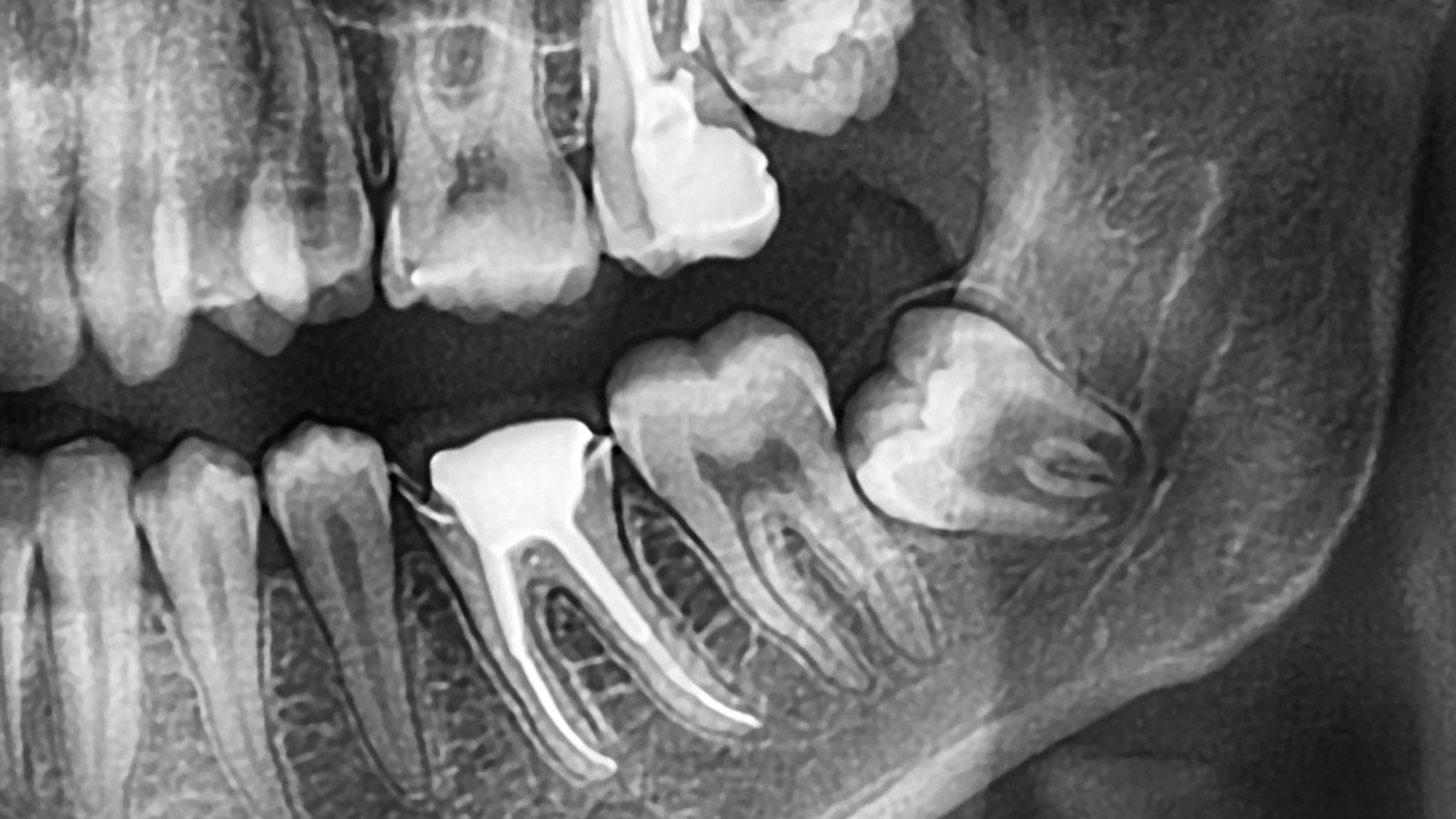
Determining whether wisdom teeth are impacted is essential before proceeding with surgical planning. Impacted teeth can place pressure on adjacent teeth and surrounding bone, which may lead to pain or alignment concerns. Imaging allows clinicians to evaluate angulation, depth, and available space within the jaw. With this information, providers can explain how impaction affects long-term oral health. As a result, patients gain clarity on why proactive removal may be recommended.
How Impaction Can Affect Surrounding Teeth and Gums
Impacted wisdom teeth can create areas that are difficult to clean and maintain properly. Over time, trapped bacteria may increase the risk of infection, gum inflammation, or decay in nearby teeth. Additionally, pressure from impacted teeth can contribute to crowding or shifting within the dental arch. By explaining these risks clearly, providers help patients understand the preventative value of surgery. This knowledge supports informed decision-making and long-term oral health planning.
Is the Patient Experiencing Any Current Symptoms or Discomfort
Understanding a patient’s current symptoms helps guide the urgency of wisdom tooth removal surgery. Pain, swelling, or recurring infections often indicate that the teeth are already causing problems. However, absence of symptoms does not always mean there is no underlying risk. Therefore, clinicians should discuss both present discomfort and potential future complications. This balanced approach ensures patients understand both immediate and preventative considerations.
How Symptoms May Progress Without Surgical Intervention
Symptoms related to wisdom teeth often worsen gradually rather than resolving on their own. Mild discomfort can eventually develop into infection, cyst formation, or damage to surrounding structures. As conditions progress, treatment may become more complex and recovery may take longer. By explaining this progression, providers help patients understand why early intervention is sometimes advised. This conversation encourages timely action and reduces the likelihood of emergency situations.
What Is the Patient’s Overall Oral and Medical Health
A thorough review of oral and medical history is critical before planning wisdom tooth removal surgery. Conditions such as gum disease, compromised immune response, or certain medications can affect healing outcomes. Additionally, overall oral health influences surgical approach and post-operative care recommendations. Therefore, discussing health history allows providers to tailor treatment plans more effectively. Patients benefit from understanding how their individual health factors influence surgical safety.
How Medical Factors Can Influence Surgical Planning
Medical conditions may require adjustments to anesthesia, medication, or recovery protocols. For example, certain health factors may increase infection risk or slow healing. By addressing these considerations early, providers can coordinate care and minimize potential complications. This proactive discussion reassures patients that their safety remains a priority. Ultimately, personalized planning supports more predictable outcomes.
What Are the Patient’s Concerns and Expectations About Surgery
Patient concerns and expectations play a significant role in treatment acceptance and satisfaction. Some patients may feel anxious about pain, recovery time, or time away from daily activities. Addressing these concerns openly helps build trust and encourages honest communication. Furthermore, aligning expectations with realistic outcomes supports a smoother experience. Clear discussions improve patient confidence and preparedness.
How Setting Expectations Improves the Surgical Experience
When patients understand what to expect before, during, and after surgery, anxiety often decreases. Clear explanations of recovery timelines, post-operative care, and potential discomfort promote cooperation and compliance. Additionally, realistic expectations reduce the likelihood of dissatisfaction after treatment. By guiding patients through the process step by step, providers foster a more positive overall experience. This approach strengthens patient relationships and supports successful outcomes.
When Wisdom Tooth Surgery Is Recommended Even Without Symptoms
Wisdom tooth surgery is not only recommended when patients experience pain or visible problems. In many cases, dental professionals identify underlying risks long before noticeable symptoms develop. Through imaging and routine evaluations, providers can detect positioning issues, limited jaw space, or developmental concerns that may create future complications. By addressing these risks early, wisdom tooth surgery can serve as a preventive step rather than a reactive solution. This proactive approach often supports better outcomes and simpler recovery for patients.
How Asymptomatic Wisdom Teeth Can Still Create Hidden Risks
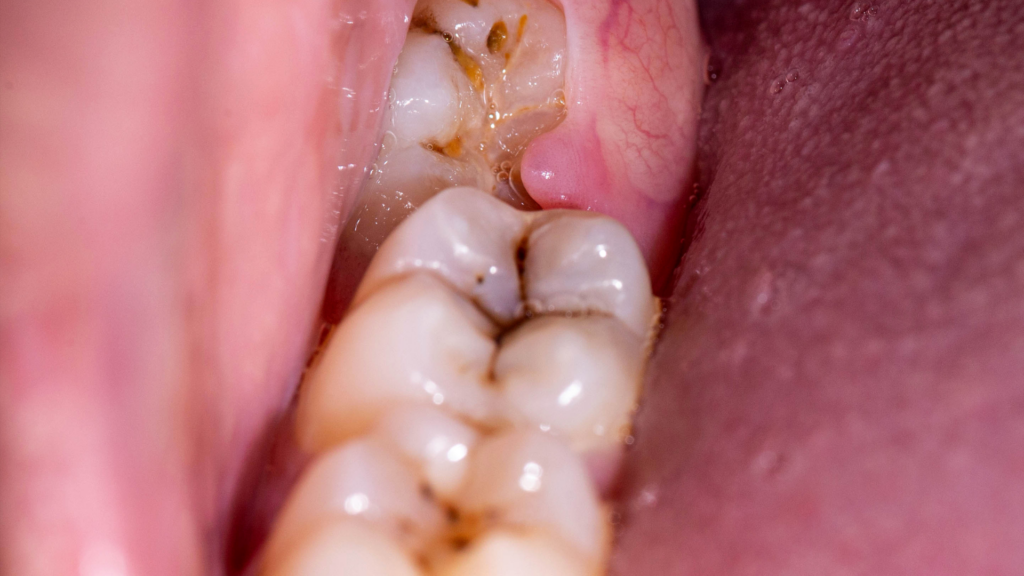
Wisdom teeth that do not cause immediate discomfort may still pose long-term oral health concerns. These teeth can remain partially trapped beneath the gums, which allows bacteria to accumulate unnoticed. Over time, this buildup increases the risk of infection, inflammation, and damage to surrounding teeth. As a result, patients may develop complications without warning signs. Explaining these hidden risks helps patients understand why wisdom tooth surgery may be advised despite the absence of pain.
The Role of Imaging in Detecting Silent Problems
Advanced imaging plays a critical role in identifying issues that are not visible during a standard exam. X-rays and three-dimensional scans allow providers to evaluate tooth angulation, root development, and proximity to nerves. This detailed view helps clinicians determine whether wisdom teeth are likely to erupt properly or remain impacted. With clear visual evidence, patients can better understand the recommendation for early wisdom tooth surgery. This clarity supports trust and informed decision-making.
Why Timing Matters for Preventive Wisdom Tooth Surgery
Timing is an important factor when considering wisdom tooth surgery without symptoms. Younger patients often have less dense bone and partially formed roots, which can simplify surgical removal. Additionally, earlier intervention may reduce the risk of complications and shorten recovery time. By discussing timing openly, providers help patients weigh preventive benefits against waiting. This conversation supports strategic planning that prioritizes long-term oral health.
How Early Removal Can Reduce Surgical Complexity
Removing wisdom teeth before problems arise can limit surgical difficulty in many cases. Teeth that are fully developed or deeply impacted often require more extensive procedures. In contrast, early wisdom tooth surgery may involve less invasive techniques and smoother healing. Patients often appreciate understanding how early action can reduce future challenges. This explanation reinforces the value of preventive care.
Preventing Damage to Nearby Teeth and Bone
Even symptom-free wisdom teeth can place pressure on adjacent teeth and surrounding bone. Over time, this pressure may contribute to crowding, enamel damage, or bone loss. These changes often occur gradually and may not be immediately noticeable. Wisdom tooth surgery helps eliminate this source of stress within the jaw. By preventing damage early, patients protect the alignment and stability of their natural teeth.
Long-Term Oral Health Benefits of Proactive Removal
Proactive wisdom tooth surgery supports long-term oral health by reducing future treatment needs. Patients who address potential issues early may avoid infections, complex extractions, or orthodontic concerns later. Additionally, preventive removal often leads to more predictable outcomes and fewer follow-up interventions. This long-term perspective helps patients see wisdom tooth surgery as an investment in overall oral stability. Clear communication reinforces confidence in preventive recommendations.
Common Risks Patients Should Understand Before Wisdom Tooth Surgery
Before proceeding with wisdom tooth surgery, patients should understand the potential risks involved and how providers work to manage them. Clear education helps patients feel prepared while supporting informed consent and realistic expectations. Although wisdom tooth surgery is commonly performed and generally safe, every surgical procedure carries some level of risk. By reviewing these factors in advance, providers can reduce anxiety and strengthen patient trust. This transparency supports better communication and smoother overall experiences.
Temporary Swelling, Discomfort, and Healing Responses
Swelling and discomfort are common short-term effects following wisdom tooth surgery. These responses occur as the body naturally reacts to surgical intervention and tissue manipulation. Providers typically explain expected timelines so patients understand what is normal during recovery. With proper care instructions, most swelling and discomfort gradually improve within several days. Setting these expectations helps patients feel confident throughout the healing process.
How Post-Operative Care Reduces Discomfort
Following post-operative instructions plays a critical role in minimizing discomfort after wisdom tooth surgery. Ice application, prescribed medications, and activity limitations help control swelling effectively. Additionally, maintaining proper oral hygiene supports tissue healing and reduces irritation. When patients follow guidance closely, recovery tends to progress more smoothly. Clear instruction encourages compliance and improves overall comfort.
Risk of Infection and Inflammation
Infection is a potential risk associated with wisdom tooth surgery, particularly when teeth are impacted. Bacteria can enter surgical sites if hygiene is not properly maintained during recovery. Providers reduce this risk through sterile techniques and detailed aftercare guidance. Patients who understand warning signs can seek care promptly if concerns arise. Early intervention helps prevent complications and protects healing tissue.
Why Monitoring Healing Progress Is Important
Regular follow-up allows providers to assess healing and identify concerns early. Swelling, persistent pain, or unusual discharge may indicate inflammation or infection. By monitoring these signs, clinicians can address issues before they worsen. Patients benefit from knowing when to contact the office for guidance. This proactive approach supports safer outcomes.
Potential Impact on Nearby Structures
Wisdom tooth surgery involves areas close to nerves, sinuses, and adjacent teeth. Although complications are uncommon, patients should understand these anatomical considerations. Advanced imaging allows providers to plan carefully and minimize risk. Explaining this process reassures patients that safety remains a priority. Education helps patients feel comfortable with the surgical plan.
How Advanced Imaging Improves Surgical Safety
Imaging provides detailed insight into tooth position and surrounding anatomy. This information allows providers to select appropriate techniques and reduce unnecessary trauma. As a result, wisdom tooth surgery becomes more predictable and controlled. Patients appreciate understanding how technology supports safer care. Clear explanations build confidence in the procedure.
What Recovery Looks Like After Wisdom Tooth Surgery for Different Age Groups
Recovery after wisdom tooth surgery varies based on age, development, and overall health. Understanding these differences helps patients and families plan appropriately for healing time and aftercare needs. Providers often explain how age influences tissue response and recovery speed. This guidance allows patients to prepare realistically for downtime and support. Clear expectations contribute to a smoother recovery experience.
Recovery Expectations for Teenagers and Younger Patients
Teenagers often experience faster recovery following wisdom tooth surgery. Their bone structure is typically more flexible, and tooth roots may be partially developed. These factors can reduce surgical complexity and support quicker healing. Many younger patients return to normal activities sooner with proper care. Discussing these benefits helps families understand timing considerations.
Why Early Intervention Often Supports Easier Healing
Early wisdom tooth surgery may involve less trauma to surrounding tissue. Shorter procedures often result in reduced swelling and discomfort. As healing progresses efficiently, younger patients may experience fewer complications. Providers explain these advantages to support proactive planning. This understanding encourages timely decision-making.
Recovery Considerations for Young Adults
Young adults often balance recovery with work, school, or family responsibilities. While healing remains predictable, recovery may take slightly longer than in teenagers. Providers emphasize rest, hydration, and adherence to aftercare instructions. Proper planning helps minimize disruption to daily routines. Clear communication supports realistic scheduling expectations.
Managing Activity and Nutrition During Recovery
Following dietary recommendations supports healing after wisdom tooth surgery. Soft foods reduce irritation and protect surgical sites during early recovery. Limiting physical activity also helps prevent bleeding and swelling. Patients who manage these factors carefully often heal more comfortably. Education supports smoother progress.
Recovery Expectations for Older Adults
Older patients may experience longer healing periods following wisdom tooth surgery. Bone density and fully developed roots can increase surgical complexity. Providers account for these factors during treatment planning and recovery guidance. Additional follow-up may be recommended to monitor healing closely. Understanding these differences helps patients feel prepared.
How Health History Influences Recovery Outcomes
Overall health plays a significant role in post-surgical healing. Conditions such as delayed healing response may require modified aftercare strategies. Providers tailor recommendations based on individual needs to support recovery. Patients benefit from personalized guidance that prioritizes safety. This approach improves confidence and long-term outcomes.

Signs That Delaying Wisdom Tooth Surgery May Cause Complications
Delaying wisdom tooth surgery can increase the likelihood of developing oral health complications over time. While some patients may not experience immediate discomfort, underlying issues can progress quietly beneath the surface. As wisdom teeth continue to develop or remain impacted, surrounding tissues may become stressed or damaged. Recognizing early warning signs allows patients to address concerns before treatment becomes more complex. Timely education helps patients understand when postponement may no longer be beneficial.
Persistent or Intermittent Pain in the Back of the Mouth
Ongoing or recurring pain near the back molars is a common sign that wisdom teeth may be causing problems. This discomfort may appear gradually and worsen over time rather than resolving on its own. Even mild pain can indicate pressure against nearby teeth or bone. When ignored, these sensations may develop into more severe inflammation or infection. Discussing pain patterns helps providers determine whether wisdom tooth surgery should be prioritized.
How Pain Can Signal Underlying Structural Issues
Pain often reflects stress placed on surrounding teeth, nerves, or jawbone. Impacted wisdom teeth may push against adjacent molars, leading to enamel damage or alignment changes. In some cases, nerve irritation may contribute to radiating discomfort. Imaging helps confirm the source of pain and assess progression. Early intervention can prevent further structural damage.
Swelling, Redness, or Gum Inflammation Around Wisdom Teeth
Visible swelling or redness near wisdom teeth may indicate infection or trapped bacteria. Partially erupted teeth create spaces where food debris and plaque accumulate easily. Over time, this environment increases the risk of gum inflammation and infection. Patients may notice tenderness, bleeding, or difficulty cleaning the area. These signs often suggest that delaying wisdom tooth surgery could allow conditions to worsen.
Why Inflammation Can Progress Without Treatment
Inflammation rarely resolves permanently without addressing the underlying cause. Bacteria trapped around impacted teeth can spread to surrounding tissues. As inflammation progresses, patients may experience increased pain or limited jaw movement. Early surgical removal helps eliminate the source of irritation. Prompt action supports healthier gum tissue and easier recovery.
Repeated Infections or Bad Taste That Returns Frequently
Recurring infections around wisdom teeth are a strong indicator that surgical removal may be necessary. Patients may experience episodes of swelling, drainage, or an unpleasant taste that returns after temporary improvement. These infections can disrupt daily comfort and oral hygiene routines. Repeated antibiotic use without surgery often provides only short-term relief. Wisdom tooth surgery addresses the root cause rather than managing repeated symptoms.
How Chronic Infection Increases Treatment Complexity
Frequent infections can lead to scar tissue formation and increased inflammation. These changes may complicate future surgical procedures and prolong healing time. Additionally, untreated infections can spread to nearby teeth or bone. Providers often recommend surgery to prevent escalation. Early removal supports more predictable outcomes.
Crowding or Shifting of Nearby Teeth
Wisdom teeth can exert pressure on neighboring teeth as they attempt to erupt. Over time, this pressure may contribute to crowding or subtle shifting within the dental arch. Patients who have undergone orthodontic treatment may be particularly concerned about alignment changes. These shifts often occur gradually and may not be immediately noticeable. Addressing wisdom teeth early helps preserve existing alignment.
Why Delayed Removal Can Affect Long-Term Alignment
Continued pressure from wisdom teeth can destabilize tooth positioning over time. Even minor shifts may impact bite function or aesthetics. Orthodontic corrections may become necessary if changes progress. Wisdom tooth surgery removes a common source of crowding pressure. This preventive step supports long-term stability.
Increased Surgical Difficulty With Age and Development
As patients age, wisdom teeth roots continue to develop and bone density increases. These changes can make surgical removal more complex and recovery longer. Delaying wisdom tooth surgery may result in a more involved procedure later. Providers often discuss timing to help patients avoid unnecessary challenges. Understanding age-related factors supports informed scheduling decisions.
How Early Planning Can Reduce Future Complications
Early evaluation allows providers to recommend surgery during an optimal window. Less developed roots and more flexible bone often support easier removal. Patients may experience reduced swelling and faster healing when surgery occurs earlier. Proactive planning helps minimize risk and discomfort. Clear communication reinforces the value of timely care.
Preparing Patients Mentally and Physically for Wisdom Tooth Surgery
Preparing patients mentally and physically for wisdom tooth surgery plays a significant role in improving overall treatment experiences and recovery outcomes. When patients understand what to expect before surgery, anxiety often decreases and compliance improves. Clear preparation also helps reduce unexpected complications and supports smoother healing. By addressing both mental readiness and physical preparation, providers can help patients feel confident and informed. This comprehensive approach supports better surgical experiences and long-term satisfaction.
Helping Patients Understand the Wisdom Tooth Surgery Process
Mental preparation begins with clear education about how wisdom tooth surgery is performed. Patients benefit from understanding each stage of the procedure, from anesthesia to post-operative care. When providers explain the process clearly, uncertainty and fear often decrease significantly. Additionally, transparency helps patients feel involved in decision-making rather than overwhelmed. This understanding creates a calmer mindset leading into surgery.
How Education Reduces Anxiety and Builds Trust
Knowledge allows patients to replace fear with realistic expectations about wisdom tooth surgery. When patients understand timelines, sensations, and recovery milestones, stress often becomes more manageable. Open communication also strengthens trust between patients and providers. This trust encourages patients to ask questions and express concerns openly. As a result, surgical experiences feel more controlled and positive.
Setting Clear Expectations for Recovery and Downtime
Preparing patients mentally also involves discussing realistic recovery expectations. Patients should understand that swelling, rest, and temporary dietary changes are normal parts of healing. Clear timelines help patients plan work, school, and personal responsibilities accordingly. This preparation prevents frustration and promotes patience during recovery. Setting expectations early supports smoother post-operative experiences.
Why Recovery Planning Improves Compliance
When patients plan ahead for recovery, they are more likely to follow post-operative instructions carefully. Arranging time off, transportation, and soft foods reduces stress after surgery. Patients who feel prepared are less likely to rush healing or ignore restrictions. This proactive planning supports better outcomes and reduced complications. Consistent guidance reinforces the importance of recovery care.
Physical Preparation Before Wisdom Tooth Surgery
Physical preparation helps ensure that patients arrive for wisdom tooth surgery in optimal condition. Providers often review dietary instructions, medication adjustments, and hydration guidelines before the procedure. Following these instructions supports anesthesia safety and surgical efficiency. Patients who prepare physically may experience fewer complications during surgery. Clear pre-operative guidance improves overall readiness.
How Following Pre-Surgical Instructions Supports Safety
Adhering to pre-surgical instructions reduces risks related to anesthesia and healing. Fasting guidelines help prevent complications during sedation. Medication adjustments minimize bleeding or interaction concerns. Patients who understand these instructions are more likely to follow them correctly. This cooperation supports safer surgical outcomes.
Addressing Patient Fears and Common Concerns
Many patients feel anxious about pain, anesthesia, or recovery discomfort related to wisdom tooth surgery. Addressing these concerns directly helps normalize feelings and reduce fear. Providers who invite open discussion create supportive environments. This reassurance helps patients feel emotionally prepared. Compassionate communication strengthens confidence before surgery.
How Reassurance Improves the Overall Experience
Reassurance helps patients approach wisdom tooth surgery with a calmer mindset. When patients feel heard and supported, stress levels often decrease. Reduced anxiety may also positively influence recovery experiences. Providers who acknowledge concerns foster stronger relationships. This emotional support contributes to better patient satisfaction.
Encouraging Healthy Habits Before Surgery
Healthy habits before wisdom tooth surgery can support healing and overall resilience. Providers may encourage proper hydration, balanced nutrition, and adequate rest before the procedure. These habits help the body respond more effectively to surgery. Patients who feel physically well often recover more comfortably. Emphasizing wellness supports stronger outcomes.
Why Overall Health Influences Surgical Recovery
The body heals more efficiently when supported by healthy routines. Proper nutrition provides essential nutrients for tissue repair. Adequate rest supports immune response and energy levels. Patients who prioritize health before surgery may experience smoother recoveries. This guidance reinforces the connection between preparation and success.
How Oral Surgery Marketing Services Help Create New Wisdom Tooth Patients
Oral surgery marketing services help practices reach patients who are actively searching for information about wisdom tooth concerns and treatment options. Through strategic search optimization, educational content, and local visibility, these services ensure that practices appear at critical decision-making moments. As a result, potential patients encounter clear explanations about wisdom tooth removal surgery before problems escalate. This early exposure builds trust and positions the practice as a reliable resource for preventive and surgical care.
In addition, oral surgery marketing services support patient education by delivering accurate, easy-to-understand information across digital platforms. Well-structured content helps patients recognize symptoms, understand treatment timing, and feel confident scheduling consultations. Furthermore, consistent messaging across websites and local listings reinforces credibility and encourages action. By connecting education with visibility, these services help practices attract better-informed wisdom tooth patients who are prepared to move forward with care.
Contact an Oral Surgeon Marketing Expert Today
At Patient Profit, we specialize in oral surgery marketing strategies designed to help practices consistently attract patients seeking wisdom tooth removal surgery. Our team understands how patients research oral health concerns online and what information influences their decision to request a consultation. By combining search optimization, patient-focused educational content, and strong local visibility strategies, we help oral surgery practices connect with high-intent patients at critical decision-making stages. This structured approach supports higher-quality consultations, improved case acceptance, and sustainable practice growth over time.
Our marketing solutions are built to generate long-term results rather than short-term increases in website traffic. We focus on clear messaging, measurable performance, and reliable lead generation strategies tailored specifically for oral surgeons. From educational content development to conversion-focused digital campaigns, Patient Profit works closely with your team to strengthen online authority and patient acquisition. To begin building a predictable flow of new wisdom tooth patients, call us today at (805) 902-4630 or fill out our online contact form to schedule your consultation and take the next step toward lasting growth.